World Health Organization (WHO) Director-General Dr. Tedros Adhanom has issued a stark warning that Africa loses an estimated USD 90 billion annually to illicit financial flows, severely undermining the continent’s public health financing.
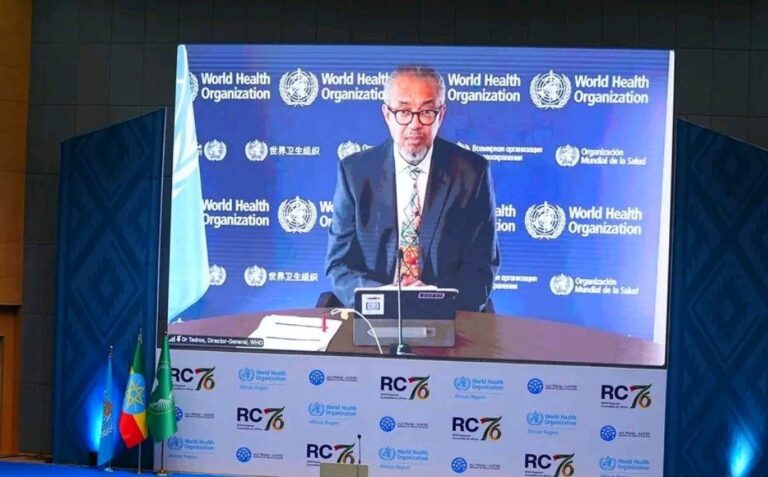
Delivering a virtual opening address at the 76th session of the WHO Regional Committee for Africa in Addis Ababa, Tedros emphasized that this massive systematic drain far outstrips the USD 74 billion in official development assistance received by the continent in 2023. Highlighting the mounting fiscal pressures facing African nations, the Director-General noted that governments spent USD 163 billion on external debt servicing last year alone. He explained that more than half of East and West African countries currently allocate more financial resources to debt interest payments than to public healthcare.
”Stopping illicit financial flows, ensuring fair debt restructuring agreements, and fully leveraging health taxes alongside other domestic reforms would provide Africa with ample resources to care for its own people,” Dr. Tedros stated. He described the current international financial squeeze not merely as a crisis, but as a long-overdue opportunity for the continent to shed its reliance on foreign aid and build genuine health sovereignty and self-reliance.
The high-level summit has brought together regional leaders to address severe funding cuts, recurrent disease outbreaks, and post-pandemic economic recovery challenges. Reflecting on his journey since his first address in Zimbabwe in 2017—with his current term concluding in August 2027—Tedros recalled the significant strides made in African public health over the past nine years.
Recalling that African leaders must take full ownership of their health agendas, he noted that the principle of Africa financing, managing, and delivering its own healthcare is steadily taking root.
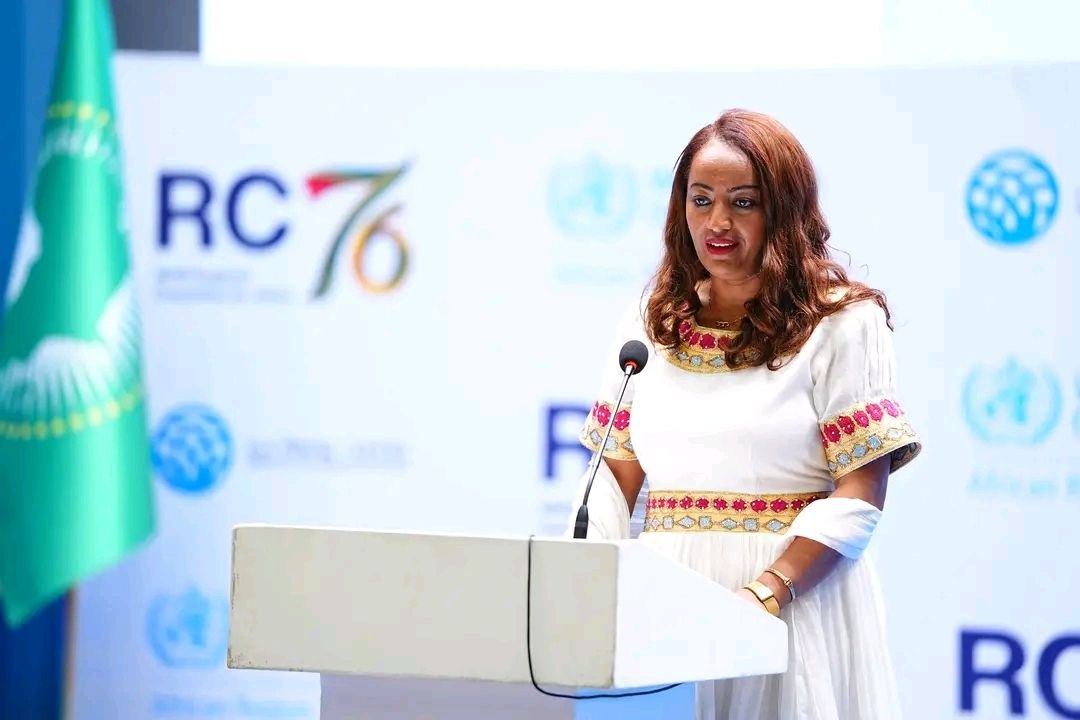
In her remarks, Ethiopia’s Minister of Health, Dr. Mekdes Daba, underscored that Africa must systematically build and expand its internal capacity to meet the health needs of its population. The Minister highlighted that the market share of locally manufactured pharmaceutical products has surged from 8 percent to 44 percent, emphasizing that scaling up domestic medicine production is a vital step toward reducing foreign dependency and safeguarding health security.
According to data presented by the United Nations Economic Commission for Africa (ECA), out-of-pocket health spending across the continent averages 30 percent—well above the organization’s 20 percent threshold—pushing approximately 150 million Africans into poverty every year.
Dr. Tedros outlined five key priorities for the upcoming term, which include finalizing global pandemic agreements, securing sustainable financing, and optimizing health systems.
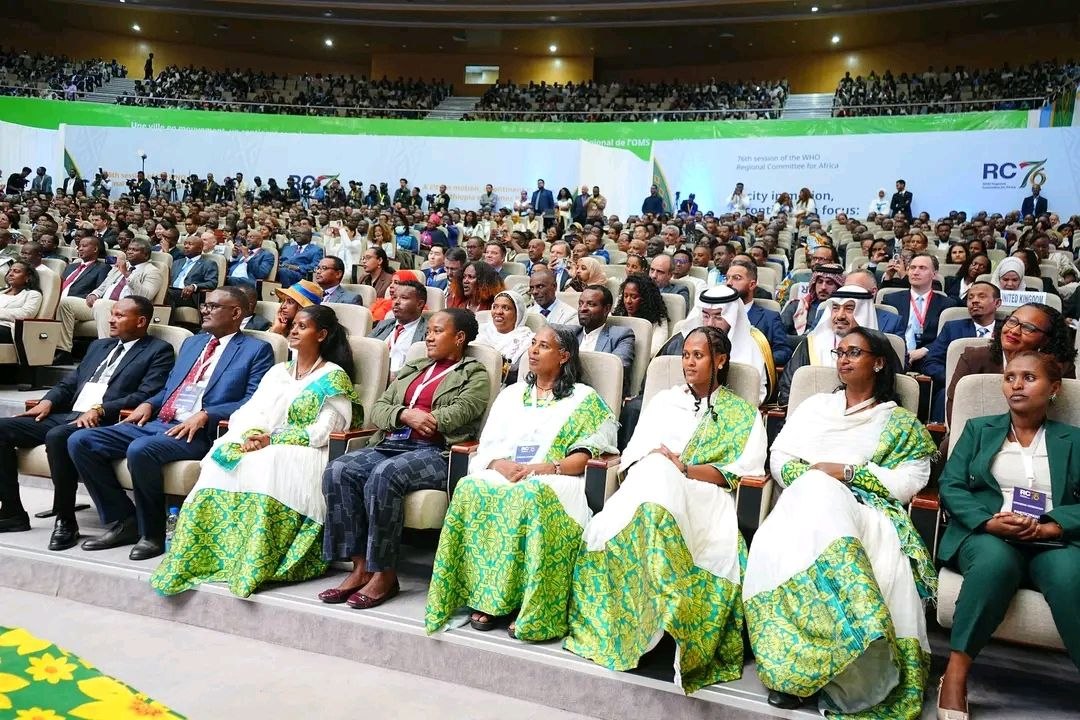
The ongoing conference in Addis Ababa is being attended by health ministers and representatives from over 40 African nations, alongside officials from the WHO and other international institutions, researchers, and key stakeholders.
Focus: Diaspora Youth Engagement & Education Infrastructure in Ethiopia
The contributions of the diaspora community to their homeland are multifaceted. While many choose to invest in commerce or traditional philanthropic projects, 17-year-old high school senior Lahen Asefa Jejaw has carved out a unique and inspiring path aimed at building her country through knowledge and nurturing a culture of reading.
Residing in the state of Maryland, USA, this passionate youth is working tirelessly to ensure that children and adults in her native country, Ethiopia, gain access to books and partake in the enriching feast of education.
ORIGIN AND CONCEPT OF THE INITIATIVE
Lahen conceived this noble vision two years ago during a visit to Ethiopia. Struck by the low culture of reading in the country and particularly observing the severe scarcity of book access for young children, she immediately took the initiative to draft a comprehensive project proposal to address the problem.
During her time in Maryland, Lahen often noticed how readily available books were in public spaces where passersby could freely pick up, read, and return literature along the streets. Inspired by this seamless access, she resolved to replicate this ecosystem of learning in Ethiopia. As she shared in an exclusive conversation with Fana Media Corporation: “Education comes above everything else, which is why I chose to focus my efforts here.” Last year, she took her crucial first step by presenting the concept to her father.
THE “JEJAW LEARNING CORNERS” FRAMEWORK
Her innovative initiative was named “Jejaw Learning Corners” in honor of her late grandfather, who was a renowned educator and pioneer in academic leadership. Key pillars of the project include:
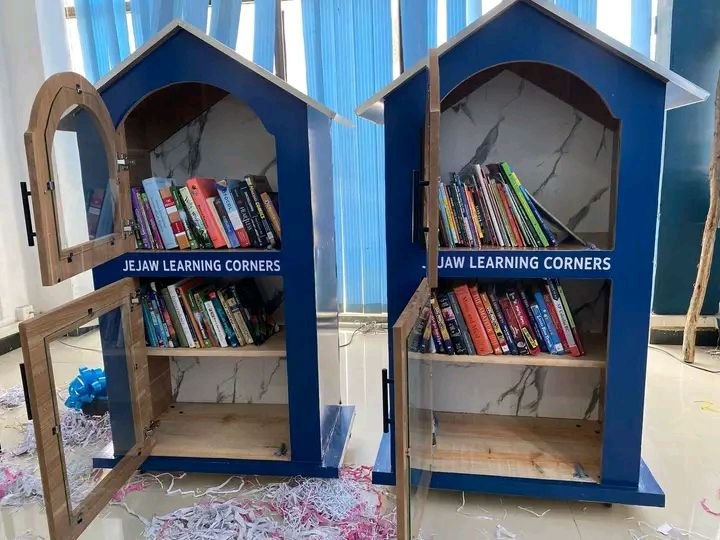
Mobile Libraries & Micro-Units: Designing and constructing aesthetically pleasing, high-quality wooden book cabinets (corners) filled with curated, engaging literature.
Open Access & Trust System: Enabling children and community members to borrow books completely free of charge, read them at their own pace, and return them conscientiously.
Banks as Hubs of Literacy: Creating an unconventional synergy between financial institutions and education by transforming bank branches into reading centers. Banks were chosen as strategic locations because they serve as trusted community institutions, offer spacious environments, and experience high daily visitor foot traffic.
PARTNERSHIP WITH ABAY BANK AND THE GONDAR LAUNCH
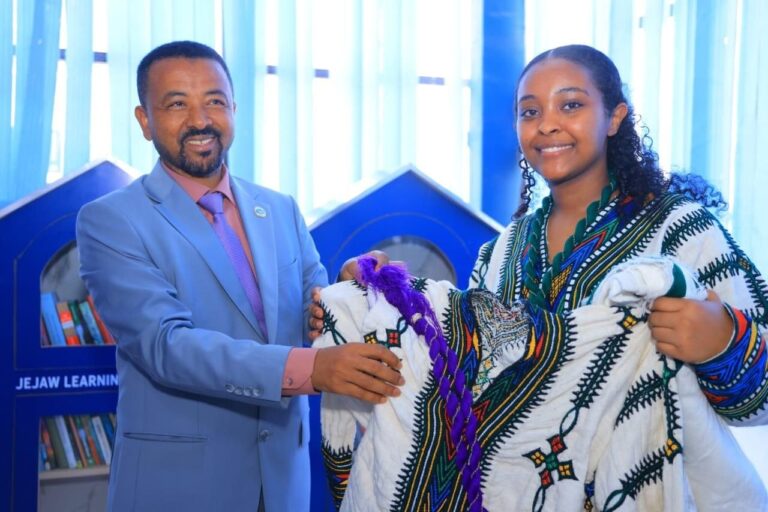
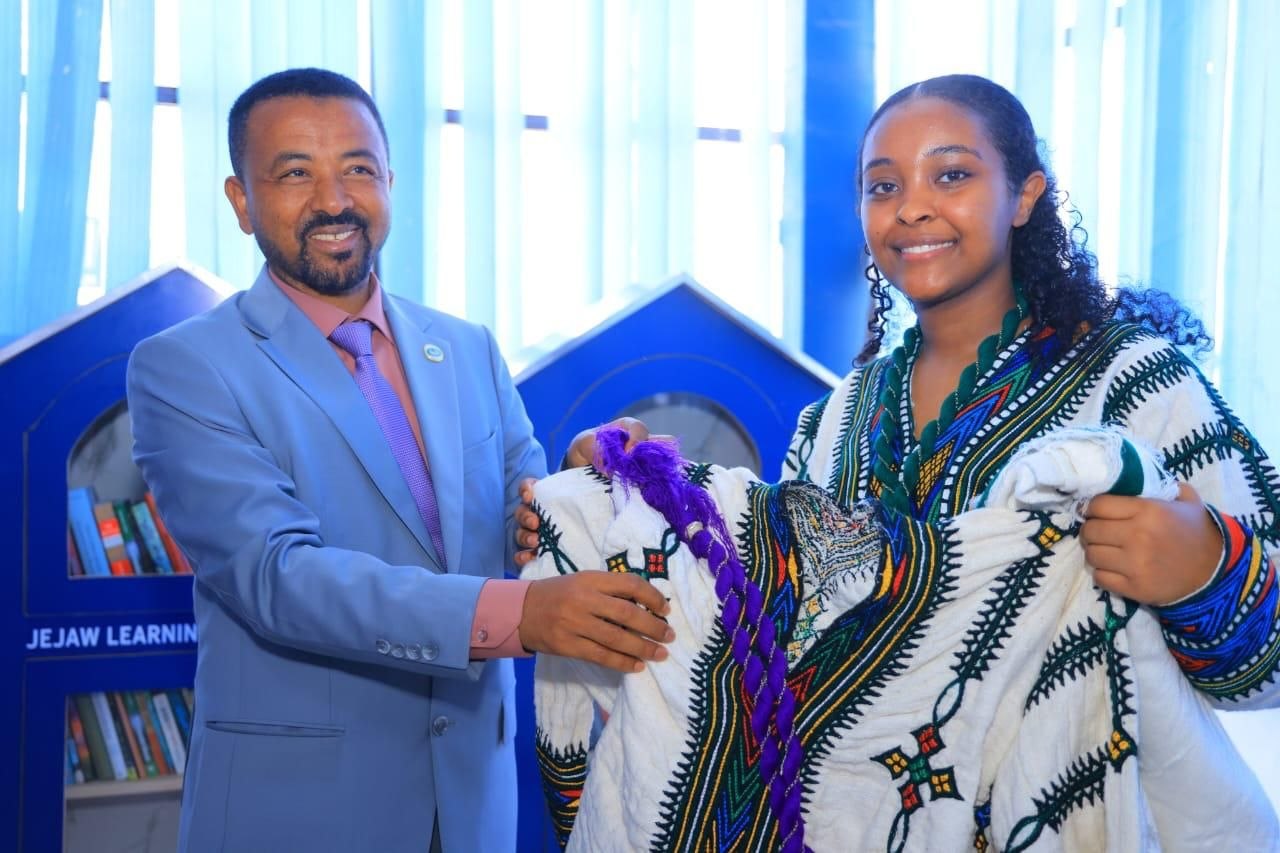
When Lahen and her family presented the proposal to Abay Bank, the leadership warmly embraced the call and agreed to become official partners. The bank committed to providing physical space and operational oversight within its branches, while the family’s charitable foundation undertook the task of building the custom learning units and stocking them with books.
Lahen is grateful to Abay bank’s leadership for supporting her dream to come true.
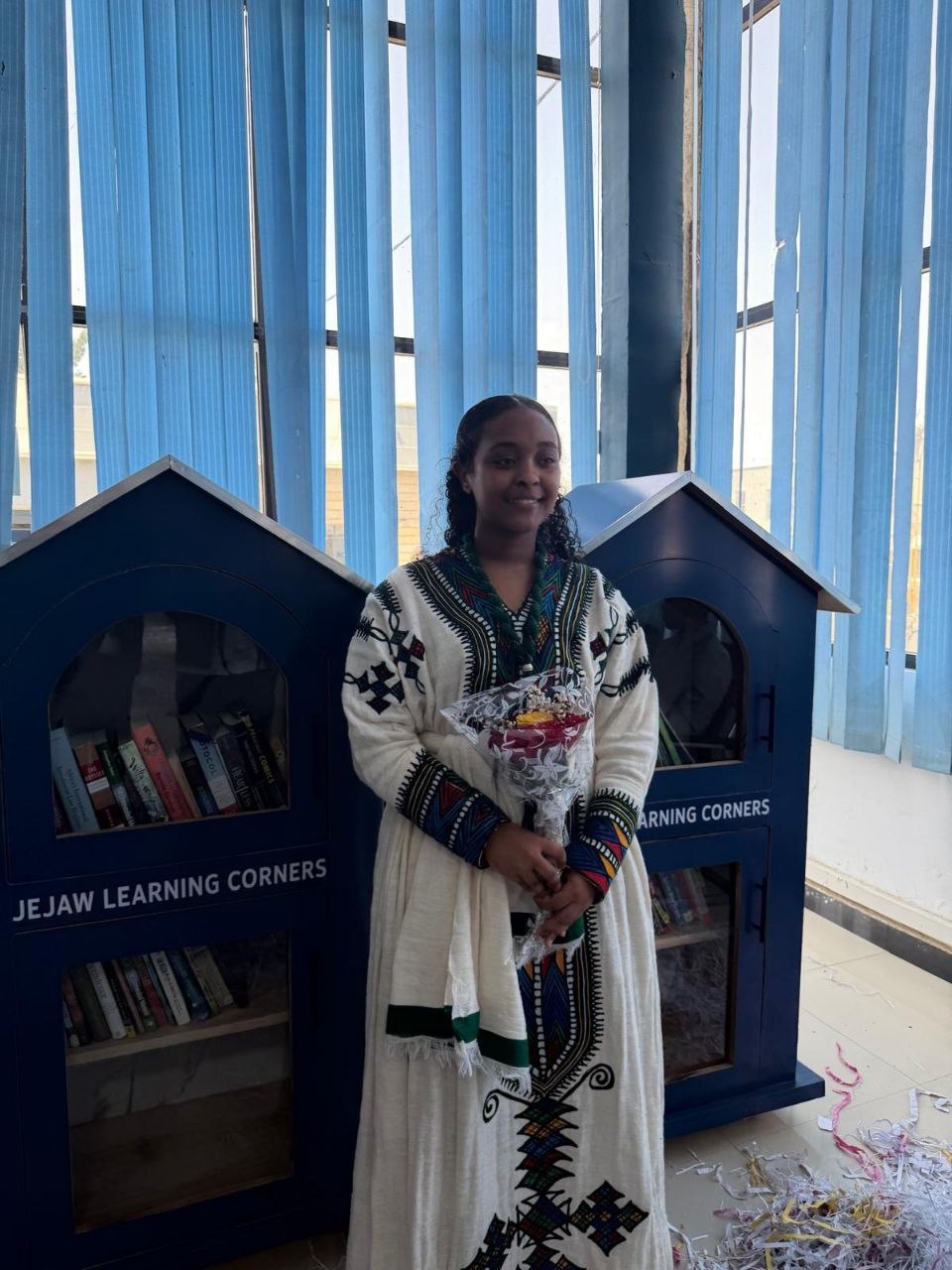
Consequently, the inaugural four reading hubs were officially launched within four Abay Bank branches in Gondar. The centers have been stocked with books and are now fully operational, with local children and community members actively borrowing and reading books free of charge.
ACCLAIM FROM UNIVERSITY LEADERSHIP AND EDUCATION OFFICIALS
The inauguration ceremony in Gondar was attended by prominent academic and local government leaders, who expressed deep appreciation for the initiative:
“What has been launched here is a novel path of civilization for our city and our nation. Knowledge, reading, and research are indispensable for national development. Expanding the role of banks beyond finance to become centers of knowledge through micro-libraries is a highly commendable effort. While such public reading corners are common in the Western world, introducing and implementing this concept locally to serve the community is truly admirable
and deserves to be replicated across other institutions.”
— Dr. Asrat Atsedeweyn, President of the University of Gondar
“I am filled with immense joy to see that our country has young, visionary thinkers like Lahen. Over past years, traditional community reading corners had vanished, and school libraries had largely faded, leaving students without adequate reference materials. Modern learning corners like these are vital for nurturing a nation of passionate readers. I call upon all stakeholders to expand this initiative extensively into our schools.”
— Mr. Sintayehu Negash, Head of Gondar City Administration Education Department
FAMILY FOUNDATION AND PATERNAL SUPPORT
Lahen attributes her deep connection to her homeland and her passion for community service to her family’s positive guidance. Reflecting on her upbringing, she noted: “Having been born and raised abroad, my grandmother, Sister Tsehaybesh Worku, helped me learn Amharic and understand my culture, while my father instilled in me a deep love for my country. I am profoundly grateful to both of them.”
Her father, Dr. Asefa Jejaw, expressed unwavering support for his daughter’s vision:
“When my daughter first brought this idea to me, I embraced it with great joy. As we evaluated where to set up these micro-libraries, we decided that bank branches offered the ideal setting, leading to our partnership with Abay Bank. She aims to establish 30 learning corners by the end of the year, and we are standing firmly by her side to help realize that target.”
Dr. Asefa added that they plan to further strengthen their ongoing support for schools, teachers, and students, reaffirming their commitment to helping restore Gondar as a historic center of academic excellence.
GRAND VISION AND THE JOURNEY AHEAD
Currently, Lahen is actively collecting book donations through social media, email campaigns, and digital drives (Google Drive). Her structured roadmap includes:
Short-Term Goal: Expanding the learning corners into 30 bank branches in rural communities and satellite towns surrounding Gondar within the current year.
Long-Term Vision: Establishing over 300 reading corners across all regions of Ethiopia, including rural villages and refugee settlements, culminating in the construction of a major public library in her homeland.
In her closing message, the young innovator urged the diaspora community to get involved: “People living abroad who wish to help should translate their desire into direct action. We warmly welcome anyone who can contribute book donations to support this cause.”
Supported by her father, Dr. Asefa Jejaw, and her family, 17-year-old Lahen’s mission to empower youth through knowledge stands as an inspiring model of diaspora engagement and impactful community service.
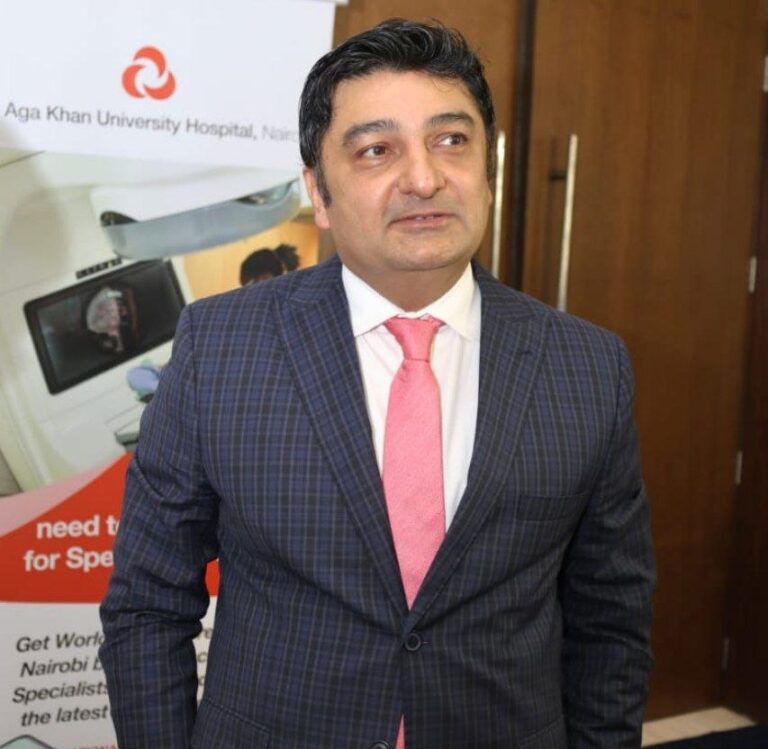
Health sector leaders from the Aga Khan University Hospital (AKUH), Nairobi, have issued a stark warning regarding Africa’s heavy reliance on external health expertise and research, cautioning that the status quo places the continent at severe risk.
Speaking at a high-level media briefing in Addis Ababa, AKUH Chief Executive Officer Rashid Khalani and Head of Communications Antony Kargiri highlighted a profound systemic gap in local scientific infrastructure. While Africa shoulders 25% of the global disease burden and accounts for 17% of the world’s population, it contributes less than 4% to worldwide clinical trials and remains vastly underrepresented in genomic data and medical innovation.
The officials emphasized that critical deficits in domestic research, local manufacturing, and human resource development undermine Africa’s health sovereignty. This vulnerability was laid bare during the COVID-19 pandemic.
“We have a massive population, but when the COVID pandemic hit and AstraZeneca, Moderna, and Pfizer rolled out their vaccines, we were begging, asking when the vaccines would come to us,” Khalani stated.
He noted that insufficient investment in local research leaves the continent similarly exposed regarding other essential vaccines and therapeutics. Furthermore, continental healthcare financing continues to lag significantly behind regional targets. Although African nations pledged under the Abuja Declaration to allocate at least 15% of national budgets to health, actual domestic expenditure in most countries remains below 5%, stifling infrastructure development, pharmaceutical manufacturing, and specialized training.
To combat these systemic hurdles, AKUH has pioneered targeted interventions, including a dedicated clinical research center in Nairobi that has completed 18 studies, trained 150 investigators, and enrolled hundreds of participants. However, executives stressed that domestic research centers cannot operate in isolation. Sustainable growth demands robust South-South partnerships, increased domestic investment, and clinical research tailored specifically to Africa’s unique disease burdens.
As part of its broader regional strategy, AKUH signaled a strong intent to expand its cooperative footprint in Ethiopia. Khalani announced ongoing engagements with Ethiopian universities and health institutions to forge agreements focused on professional training, knowledge exchange, and joint research. Additionally, AKUH is streamlining affordable healthcare packages and travel logistics for Ethiopian patients traveling to its Nairobi facility, aided by Ethiopian Airlines’ robust transit network.