Thursday, October 1, 2026
Home Blog Page 252

Djibouti opens new ship repair yard

0

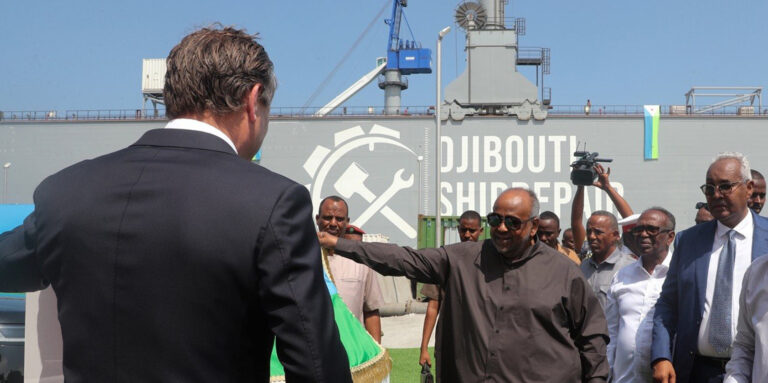
Djibouti, emerging as a leader in logistics and the blue economy in its region, has officially inaugurated a new ship repair yard.

The ceremony took place on the eve of the national elections set for April 10, with President Ismaïl Omar Guelleh presiding. This facility is part of Djibouti’s expanding logistics operations.

Developed through a strategic partnership with Damen Shipyards, the Djibouti Ship Repair Yard (DSRY) features a floating dock. This project represents a significant milestone for the nation’s maritime and industrial development, financed by Invest International of the Netherlands, which contributed €107.5 million.

According to the Djibouti Ports and Free Zones Authority, the DSRY is the largest facility of its kind in the Red Sea and East Africa. It includes a floating dock measuring 217 meters long and 43 meters wide, capable of lifting 20,100 tonnes.

The complex is designed to accommodate a wide range of vessels, providing both preventive and corrective maintenance, supported by a combination of international and local expertise.

President Guelleh remarked, “The DSRY project has always been a national priority, given Djibouti’s strategic location at the entrance to the Bab el-Mandeb, one of the world’s busiest maritime routes.”

He added, “This geographic advantage places a responsibility on us to meet the needs of ships passing through the region—whether for dry docking or mechanical repairs.”

Hassan Houmed Ibrahim, Minister of Infrastructure and Equipment, highlighted the facility as “a strategic national asset that enhances port competitiveness, supports the blue economy, and strengthens Djibouti’s regional position.”

Aboubaker Omar Hadi, Chairman of the Djibouti Ports and Free Zones Authority, stressed the project’s role in solidifying Djibouti’s status as a key maritime hub, in line with the vision for 2035.

Beyond its industrial significance, the authority noted that the project will create approximately 350 direct jobs and 1,400 indirect positions, while also fostering the development of skilled young talent in advanced technical fields.


Startups encounter sequential licensing bottlenecks across government levels

0

Startups are encountering a series of licensing bottlenecks at various levels of government administration. Although the Ethiopian government’s ambitious “Homegrown Economic Reform” initiative has created new opportunities for Foreign Direct Investment (FDI), the startups expected to drive the country’s economic future are still entangled in overlapping and complex government licensing processes.

Despite the approval of Startup Proclamation No. 1396/2026 earlier this year, entrepreneurs report a significant gap between policy intentions and the on-the-ground reality, which remains burdened by excessive paperwork and administrative delays.

Industry experts identify a “Domino Effect” in the legal compliance process as a primary contributor to the issue. Currently, a startup cannot progress from Stage A to Stage B without obtaining a license; however, acquiring the Stage A license often requires a document that can only be obtained at Stage B. This creates a circular loop that traps the entire process.

Recent studies reveal that Ethiopian Small and Medium Enterprises (SMEs) are facing a financing gap of $4.2 billion. While these funds could potentially be accessed through the new National Credit Guarantee Fund, obtaining the necessary “Startup Identification” certificate has become challenging due to verification delays between institutions.

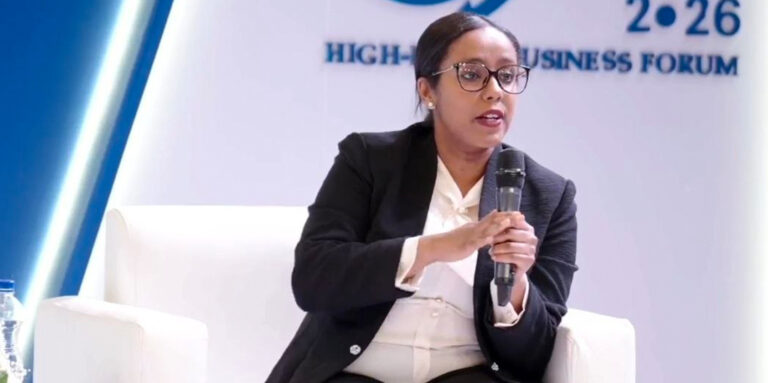
During the Invest in Ethiopia 2026 forum organized by the Ethiopian Investment Commission, industry leaders and tech founders emphasized the fragmented administrative landscape. This fragmentation forces businesses to navigate bureaucratic hurdles, creating a “domino impact” on their operations.

Unlike established large corporations, startups operate on limited budgets and tight timelines, making them particularly susceptible to a lack of institutional coordination. Kalkidan Arega, CEO of Toppan Security Ethiopia, noted that one government body often refuses to accept applications until a second or third office has granted approval.

Kalkidan stated, “We have to comply with and navigate the various regulations and administrative processes of different institutions. Unfortunately, after securing one permit, we often find ourselves waiting for approval at the next stage; one stage cannot be authorized without completing the previous one. As a startup, we face numerous challenges and must plan far in advance to meet our timelines.”

This “sequential licensing bottleneck” means that even with strategic support, it can take months for a business plan to be executed. Files shuffle between disconnected government tiers, including the Ministry of Innovation and Technology, the National Bank of Ethiopia, and regional land bureaus.

While Ethiopian Investment Holdings is establishing a fund in collaboration with the African Development Bank and the UNDP to support smaller players, its primary focus remains on large-scale investments. As a result, “middle-tier” startups—those that have outgrown microfinance but are too small for sovereign fund partnerships—are left to navigate the bureaucracy independently.

Although Ethiopian Investment Holdings provides “post-investment” services like customs clearance and government liaison, investors argue that such “hand-holding” should not be a prerequisite for market entry. Kalkidan added, “I want to see a single window that handles everything uniformly.” She noted that while efficiency has improved over the past two years, the structural independence of administrative processes continues to be a significant point of friction.

Dashen unveils digital onboarding using Fayda, introduces Mastercard-Linked virtual card

0

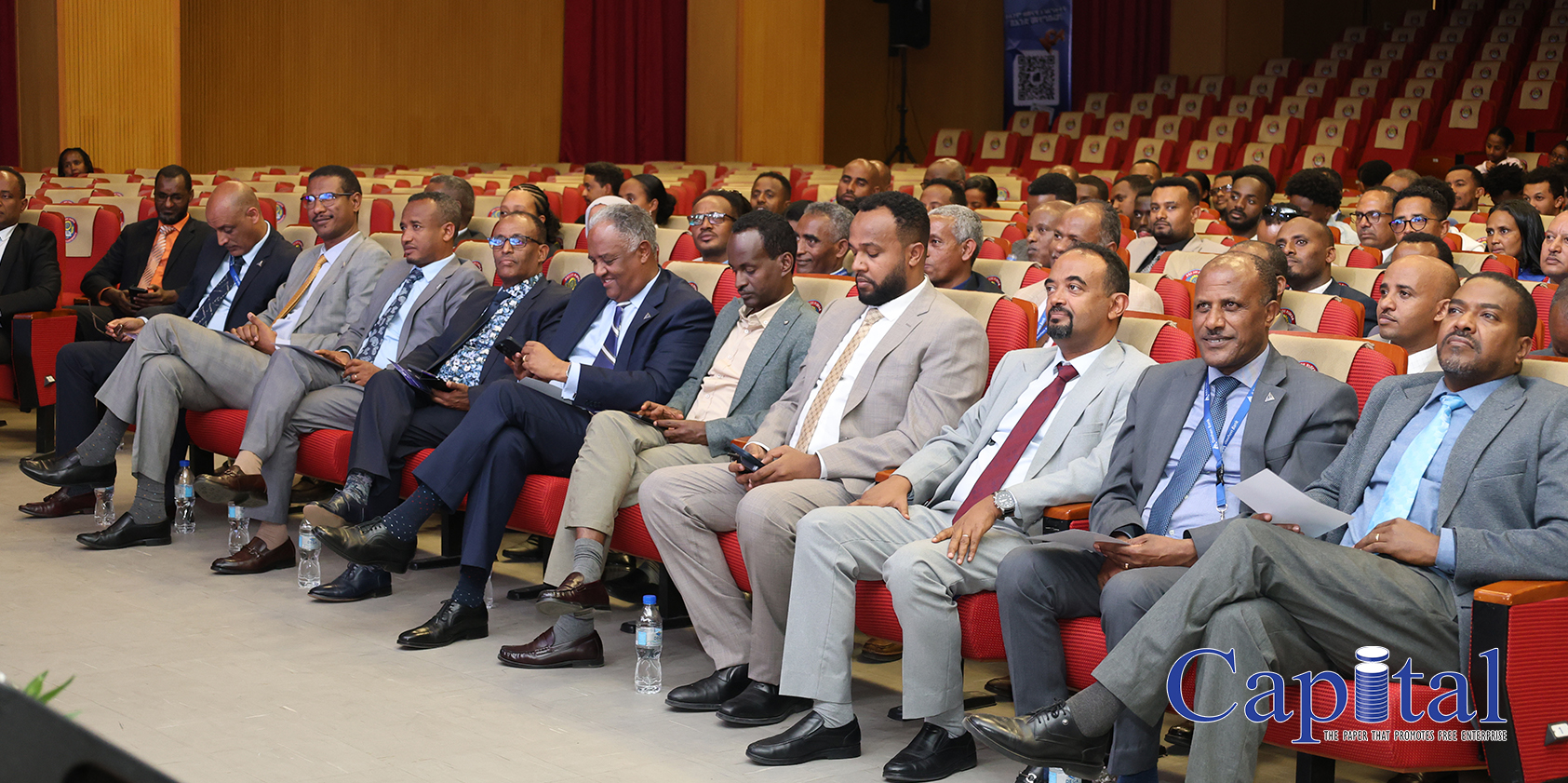
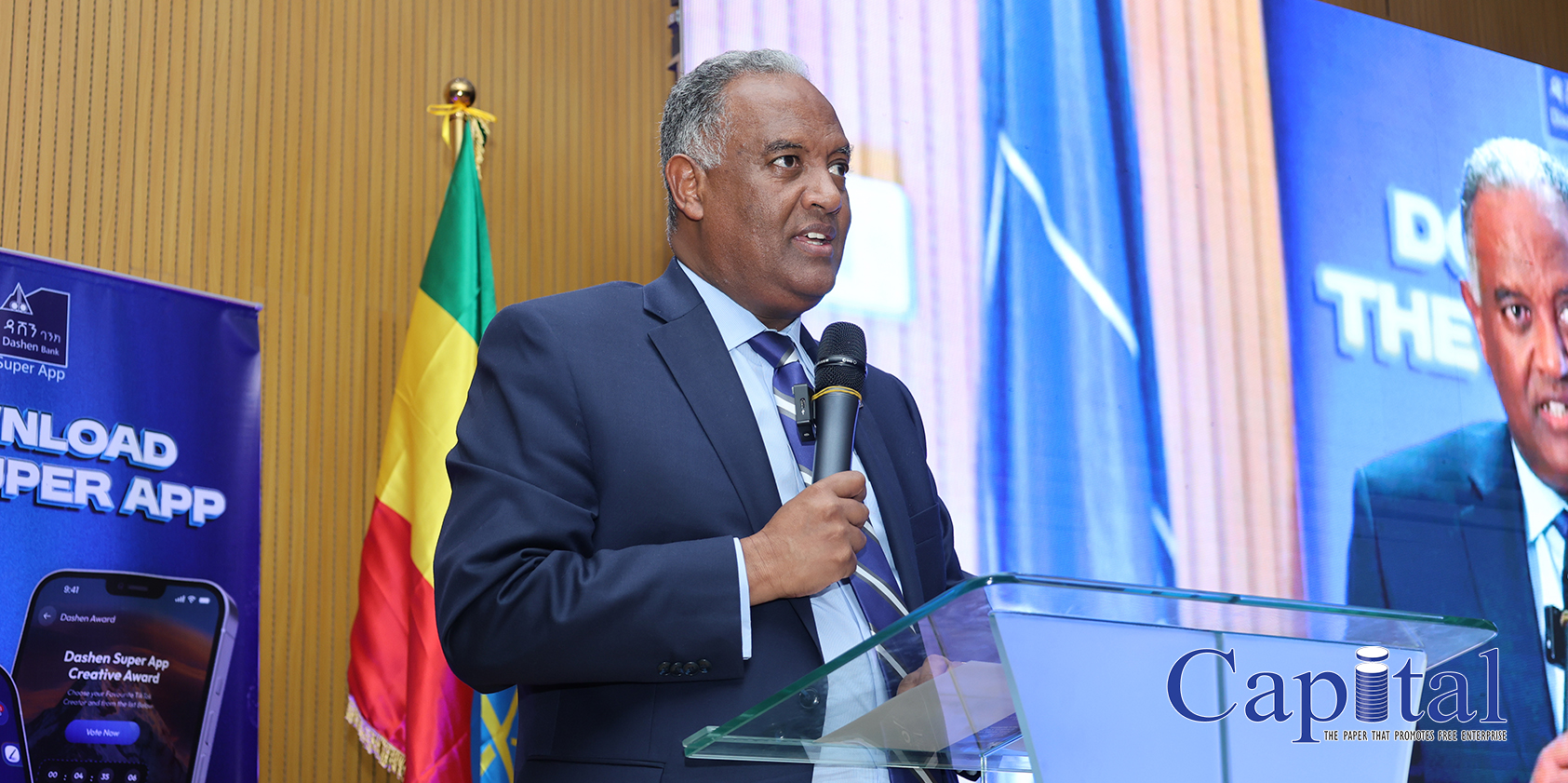
Dashen Bank has officially launched a groundbreaking suite of digital services, featuring Ethiopia’s first digital onboarding system and a Mastercard-integrated virtual card. The unveiling took place during a high-profile event on April 3, 2026, at the Addis Ababa University School of Commerce, with the aim of eliminating the need for physical branch visits and enhancing global financial connectivity.

The highlight of this launch is the Digital Onboarding service, which allows citizens to open bank accounts remotely using Ethiopia’s National ID (Fayda). By connecting with the national biometric database, Dashen Bank enables new customers to create virtual accounts using only their mobile numbers and Fayda credentials. This system significantly reduces barriers for the unbanked and allows existing users to seamlessly integrate their traditional accounts with the Dashen Super App, resulting in a cohesive and efficient digital banking experience.

To expand its presence in the global digital economy, Dashen Bank, in partnership with Mastercard, introduced the Dashen Virtual Card. This service enables users to conduct international transactions on major platforms like Amazon, Alibaba, and Netflix. Additionally, the virtual card is a crucial tool for receiving international remittances directly. Bank officials have announced that a future update will allow customers to use their smartphones as contactless Point-of-Sale (POS) terminals.

To encourage engagement with these new offerings, the bank launched the “Super App Creative Award,” a TikTok-based content competition featuring a prize pool of 6 million Birr. The contest will reward the top three creators with 3 million, 2 million, and 1 million Birr, respectively, for producing viral educational content about the app. Furthermore, the “Dashen Star Referral” program was introduced to incentivize university students, providing them with monetary rewards for each new active user they successfully recruit to the platform using unique referral codes.

The scale of Dashen’s digital growth is reflected in the Super App’s performance metrics; as of April 2026, the platform has surpassed 2 million users and facilitated over 25 million transactions, totaling more than 250 billion Birr. With an additional 30 million Birr in prizes through ongoing promotional “luck games,” Dashen Bank is solidifying its position as a leader in Ethiopia’s fintech landscape, demonstrating that the future of local finance is increasingly mobile, global, and inclusive.

EIH navigates growing friction with investors over monetizing state land assets

0

Ethiopian Investment Holdings (EIH) is experiencing mounting tension with investors as it seeks to monetize government land resources. Now in its fourth year of operation, this sovereign wealth fund stands at a pivotal crossroads. While EIH has been lauded for consolidating state-owned enterprises valued in the billions, a new point of contention has arisen regarding foreign direct investment: the valuation and monetization of government land.

Meleket Sahlu, Deputy CEO of EIH, notes that the organization is currently “navigating a path” fraught with challenges related to how land is contributed as an investment for joint ventures. This tension originates from a fundamental disparity between the government’s desire to offer land as high-value equity and investors’ preference for lower lease payments and a transparent leasing system.

Since its inception, EIH has sought to shift the traditional approach of providing land solely through low lease payments. The fund aims to assign high commercial value to land, using it as a principal “skin in the game” to secure minority or majority ownership for the government in strategic projects.

“In the early years, we hoped to monetize the land by ensuring investors recognized its high value,” Meleket stated. “However, this has led to some tension, and we are still navigating that path.”

For many international investors, particularly in the manufacturing and real estate sectors, valuing land as a high-equity contribution can dilute their ownership stake or increase the initial capital required to accommodate “free carry” shares. Investors contend that even if the land is strategically located, poor infrastructure, such as unreliable electricity, water, and roads, should decrease its perceived value.

This tension presents a significant challenge for EIH: balancing its role in “market shaping” with commercial viability. Although the fund currently manages 27 large state-owned enterprises, its new greenfield projects heavily rely on land as the primary government contribution.

To address this friction, EIH is exploring “innovative and new” solutions, including a “head-hunting” approach to attract investors who prioritize long-term impact over short-term gains. By engaging institutional investors, such as sovereign wealth funds from Gulf nations or specialized European infrastructure funds, EIH aims to find partners who view high-value land equity as a sign of government commitment rather than a financial hurdle.

Recently, EIH provided insights into “free carry” shares, warning that “cheap and free things are often expensive.” This means that when land is easily given away or undervalued to quickly attract investment, it can force the government to assume unsustainable risks or forfeit long-term profits.

As Ethiopia moves toward opening its retail and wholesale trade sectors, the “land question” remains a highly sensitive issue. The manner in which EIH resolves current tensions will serve as a crucial indicator of how future multi-billion dollar urban redevelopment and industrial projects will be structured.