Thursday, October 1, 2026
Home Blog Page 251

Wingu Africa breaks barriers for Ethiopian startups

0

For the past decade, launching a technology-oriented business in Ethiopia has been a challenging and time-consuming endeavor. After securing funding, visionary entrepreneurs often face the “six-month wall,” which involves delays in purchasing servers, navigating customs, setting up cooling systems, and hoping the “blue lights” remain on.

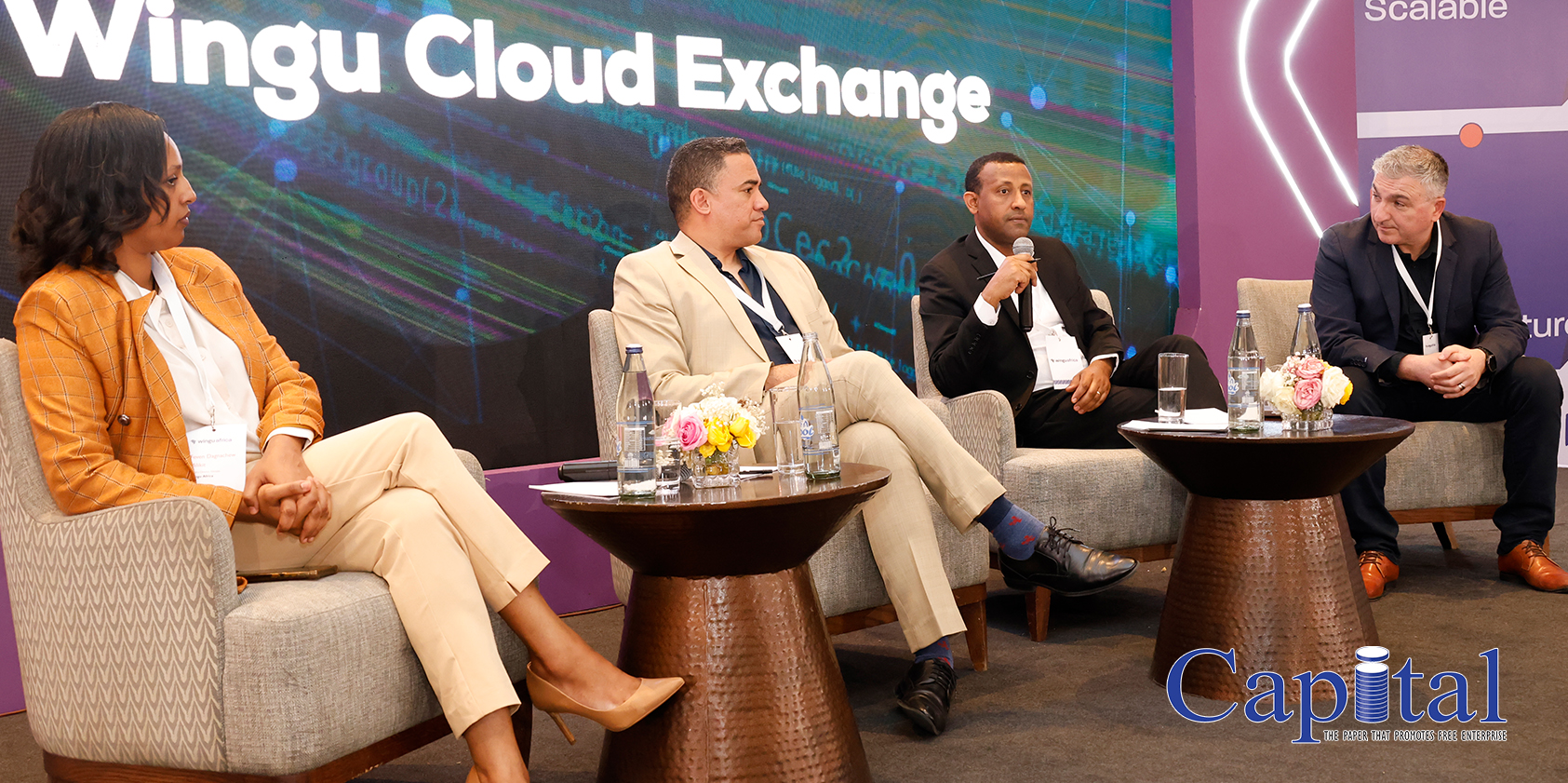
At a panel discussion during the inauguration of the Wingu Africa Cloud Exchange (WCX) on March 31, 2026, it was announced that hardware procurement would no longer be a bottleneck for startups.

Officially launched on March 31, 2026, this service is poised to significantly transform the digital landscape for local organizations. By offering carrier-neutral infrastructure services, Wingu Africa aims to establish the foundation necessary for accelerating Ethiopia’s transition to a digital economy.

The message to the Ethiopian market was clear: in the digital age, success is determined not by the size of one’s server but by the speed of execution. Sintayehu Abebe, General Manager of AACTS, remarked, “In Ethiopia, physically handling hardware is often regarded as a sign of prestige.”

“A CEO wants to see and touch the $100,000 he invested. However, by the time he waits six to nine months for that machine to clear customs and be set up, the market has already moved on,” Sintayehu explained. He likened this situation to purchasing an advanced smartphone in 2008 and trying to use it today for AI-generated videos.

By the time physical infrastructure is installed and operational, it often becomes outdated. Wingu Africa’s local cloud service changes this dynamic, enabling companies to accomplish tasks in six minutes that previously took six months.

Experts at the event openly discussed the legacy data centers found in Ethiopian banks and institutions, referring to these spaces as “museums.” IT professionals often find themselves dusting equipment and monitoring air conditioning instead of innovating.

By transitioning from Capital Expenditure (CapEx) to Operational Expenditure (OpEx), businesses can shift their focus from functioning like power utility operators to concentrating on their core missions—whether in finance, logistics, or retail.

“I don’t generate my own electricity; I just use the switch,” Sintayehu argued. “Cloud services are a 21st-century utility, akin to electricity and water. We should approach them as such.”

In addition to speed, the launch of Wingu addresses the longstanding “latency” issue that has hampered digital services in Ethiopia. Many local organizations previously stored their data in Europe or South Africa.

Data travels via fiber cables, and experts explained that latency accumulates every 100 kilometers. A request sent to Europe can take 50 milliseconds or more. By situating the infrastructure in Addis Ababa, next to internet service providers like Ethio Telecom and Safaricom, Wingu has reduced latency to under 10 milliseconds.
Furthermore, WCX allows data to be securely stored within Ethiopia, enabling organizations to fully comply with local data protection regulations. This helps businesses safeguard sensitive information from complex international legal issues while benefiting from faster services, improved efficiency, and reliable local support.

Demos Kyriacou, Deputy CEO, COO, and Co-founder of Wingu Africa, stated that WCX is setting a new standard for digital infrastructure in the region by providing cloud solutions tailored to local needs.

The platform makes advanced technology accessible to companies of all sizes, integrating essential cloud services such as computing, storage, container management, and security. It includes offerings like Wingu Compute, Wingu Kubernetes, Wingu Drive, and Wingu Security, allowing organizations to deploy and manage their applications with confidence.

Additionally, WCX easily integrates with existing local infrastructure and offers customers hybrid options by connecting with global providers like Azure and AWS. Wingu Africa enters the Ethiopian cloud market with over a decade of regional experience, having operated as the first carrier-neutral data center in strategic locations across Djibouti, Ethiopia, and Tanzania since 2012.

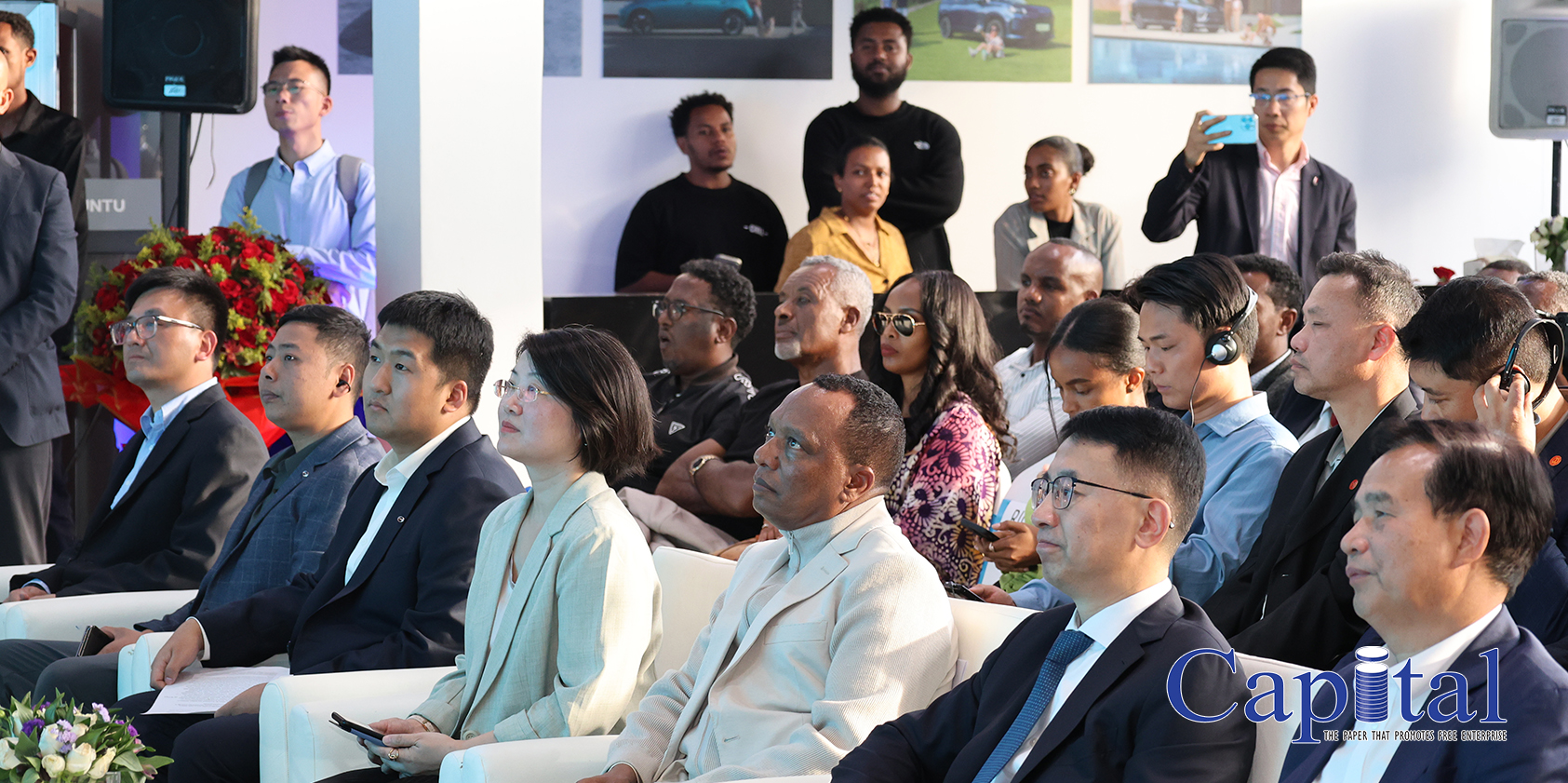
Transport Minister calls on GAC Juntu to establish manufacturing plant in Ethiopia

0

GAC Motor officially entered the Ethiopian market in 2025, launching New Energy Vehicles (NEVs) such as the AION Y Plus and ES9 PHEV in Addis Ababa. Focusing on electric vehicles (EVs) to align with Ethiopia’s green mobility strategy, the company plans to assemble vehicles locally through a partnership with the Huajian Group. GAC Motor has established showrooms in Addis Ababa, offering both sales and after-sales services.

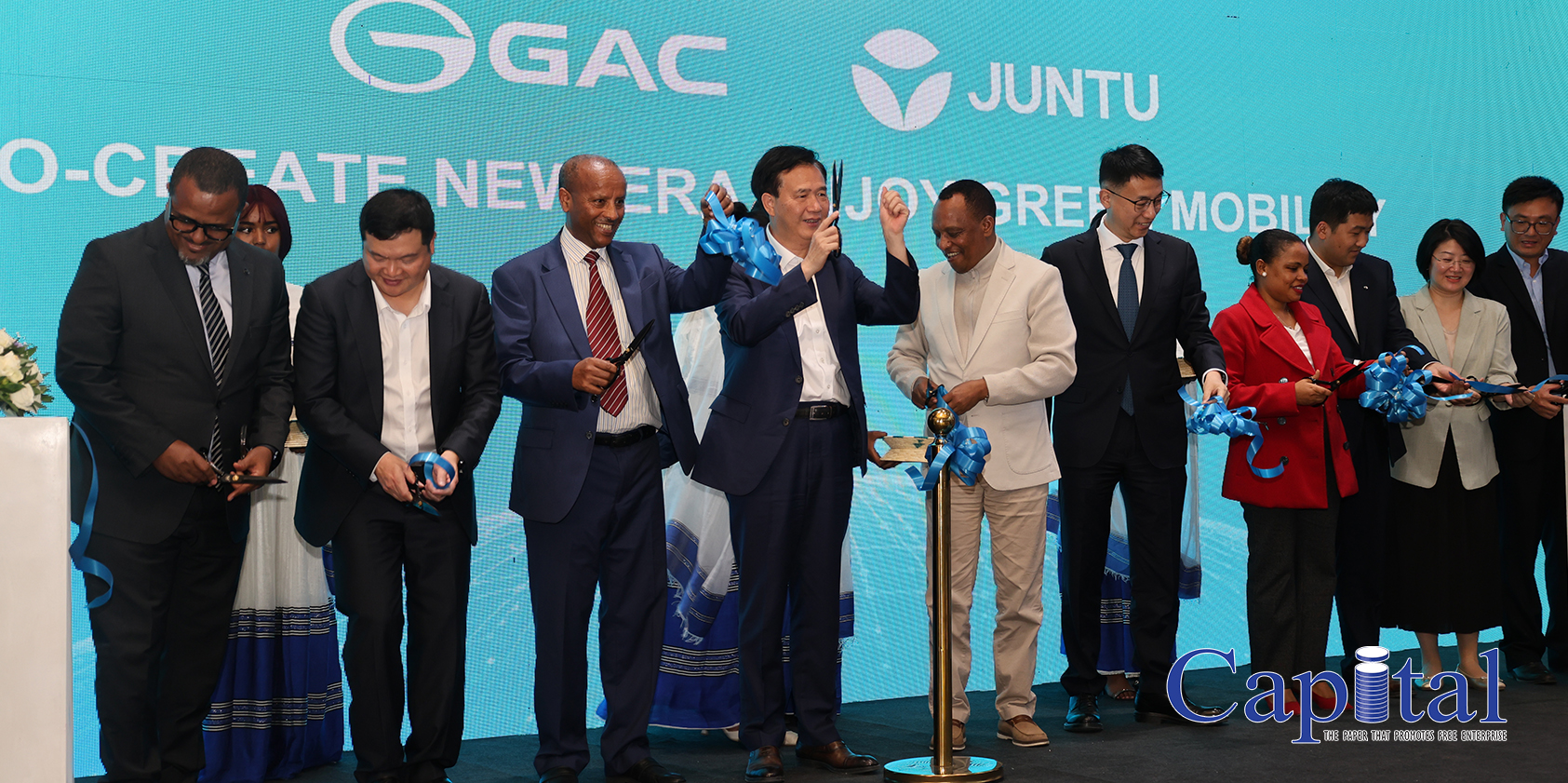
In a significant move aimed at bolstering the nation’s industrial sector, Minister of Transport and Logistics Alemu Sime recently called upon GAC Juntu to establish vehicle assembly and full-scale manufacturing plants within Ethiopia. The Minister issued this call during the inauguration of a new GAC Motor showroom in Addis Ababa on March 27, 2026. The event was attended by ambassadors, business leaders, and automotive enthusiasts.

During his speech, Alemu emphasized that Ethiopia is rapidly transforming into an African automotive industry hub, moving beyond being merely a market for finished products. He highlighted the country’s population of over 120 million and its strategic location in the Horn of Africa as key investment attractions, stating, “Ethiopia is a nation on the move.”

He further noted that international partners like GAC Motor can leverage Ethiopia’s abundant renewable energy and youthful workforce by setting up local assembly lines. While encouraging this industrial growth, the Minister also stressed the vital importance of gaining consumer trust. A representative from GAC JUNTU reinforced this vision of partnership, stating that their entry signifies a long-term commitment to Ethiopia rather than a simple market expansion.

The company aims to introduce a complete electric mobility ecosystem designed for reliability and innovation, supporting Ethiopia’s transition to sustainable transportation while contributing to national economic growth.

The newly inaugurated state-of-the-art facility spans 2,300 square meters and has introduced four new electric vehicle models to the market: the AION UT, AION V, HYPTEC HT, and HYPTEC HL. This center operates as a “4S” standard facility, providing integrated services for vehicle sales, maintenance, and genuine spare parts. GAC Motor’s expanded presence in the Ethiopian market, including this new facility, is expected to significantly support the country’s ongoing efforts to reduce fuel dependency and expand green transportation infrastructure.

Focusing on electric vehicles (EVs) to align with Ethiopia’s green mobility strategy, the company plans local assembly through a partnership with the Huajian Group. Showrooms are already open in Addis Ababa, offering both sales and after-sales services.

Over 70% of smallholder farmers face significant post-harvest losses

0

Smallholder farmers, who are essential to Ethiopian agriculture, are losing over 70 percent of their produce to waste, driven by climate change and systemic challenges. A study by the Policy Studies Institute (PSI) reveals that despite improvements in production levels, a substantial portion of the harvest is wasted before reaching the market due to inadequate storage facilities and the effects of climate change.

Selamawit Gebreegziabher, a senior researcher at PSI, noted that data collected from 2,000 farmers indicates those in the Jimma Zone of Oromia and the Wolaita Zone of Southern Ethiopia are particularly vulnerable to unusual rainfall patterns and rising temperatures. Most respondents reported that climate change has directly and negatively affected their livelihoods. While farmers are attempting to adapt by harvesting rainwater and implementing soil conservation practices, the scale of the challenges they face far exceeds their efforts.

Among the households surveyed, 72.3 percent reported high post-harvest losses of maize in the control groups, while 65.1 percent in the treatment groups faced similar issues. These losses are largely attributed to traditional and inadequate storage systems, as well as fungal contamination known as “aflatoxin.” Additionally, Selamawit explained that since most sales occur at the village level through brokers, farmers have limited bargaining power over prices. Even with the existence of cooperatives, their role in strengthening the marketing chain remains underdeveloped.

The report emphasizes that these losses represent a significant barrier to achieving national food security and enhancing climate resilience. The study highlights that waste is exacerbated by unpredictable rainfall patterns and rising temperatures, with farmers expressing their vulnerability to extreme climate fluctuations. Most lack the technological capacity to adapt to these impacts.

Importantly, Biochar technology—beneficial for soil fertility and climate resilience—is almost entirely unknown among farmers. Less than 3 percent are aware of it, and even fewer utilize it, revealing a substantial gap in the dissemination of scientific advancements to grassroots levels. Researchers found that farmers often have to sell their produce to village brokers and traders instead of formal contracts, further diminishing their negotiating power.

Although farmers’ cooperatives exist, they have struggled to provide the expected market security due to operational and leadership challenges. The ACRFSE project, running until 2028, aims to focus on key crops such as soybeans, maize, and teff, with activities designed to enhance the financial and climate resilience of soybean and grain producers, as well as to strengthen cooperatives for better market access.

These findings were presented in a progress report for the research project titled “Accelerating Climate-Resilient Food Systems in Ethiopia (ACRFSE).” During the presentation, Selamawit emphasized that the project seeks to improve farmers’ lives not only by providing information but also by offering practical solutions like modern storage facilities and Biochar training. The study concludes that in Ethiopia’s fight against climate change, simply increasing production is insufficient; effectively protecting what is already produced is equally crucial.

Mandatory escrow account system to restore trust in the real estate sector

0

For years, Ethiopia’s real estate sector—a multi-billion birr industry—has struggled with a lack of trust and inadequate legal frameworks. In response, the government is implementing an Escrow Account system aimed at securing home buyers’ funds.

This initiative is based on the recently ratified Real Estate Development and Immovable Property Marketing and Valuation Proclamation (No. 1357/2024). It seeks to restore trust and protect home buyers from exploitation by developers.

For the first time in Ethiopian history, real estate developers are legally barred from accessing funds deposited by buyers until specific construction stages, as outlined in their contracts, are verified. This measure is expected to stabilize a sector currently shaken by a 60% increase in construction material costs, effectively removing “briefcase developers”—those operating with little more than a plan—from the market.

Leaders of the Ethiopian Real Estate Developers Association (EREDA) report that high inflation and administrative hurdles have significantly impacted the sector in recent years. Distortions in the market, such as developers selling below market value, failing to deliver homes on time, and occasionally abandoning projects, have damaged public perception of the industry.

Alemayehu Ketema, Board Chairman of EREDA, emphasized that market instability and a pervasive “disease of mistrust” have hindered the sector’s growth. This has created a chilling effect, where developers fear buyers won’t pay, and buyers fear developers won’t build.

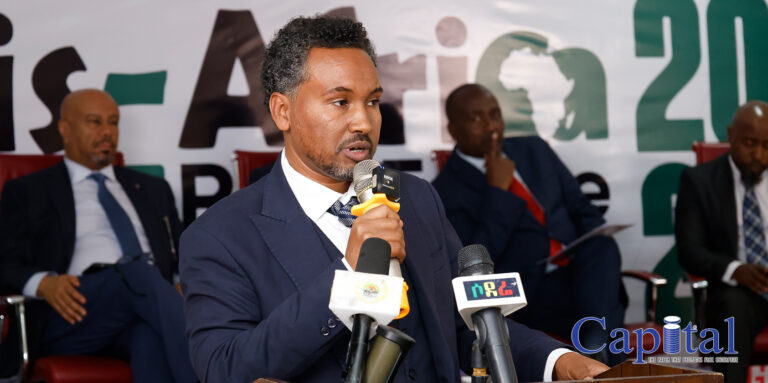
These comments were made during a press briefing about Ethiopia hosting the first Continental Real Estate Exhibition and the African Real Estate Society (AfRES) Regional Conference, set to take place in three weeks. Organized by EREDA and Doxa Events, the exhibition will be held in Addis Ababa from April 23–26, 2026.

During the briefing, the Chairman pointed out that some developers have undermined the market by selling below construction costs and failing to fulfill contracts. “By harming the market like a merchant who consumes his seed capital, the sector has been cooling down,” Alemayehu remarked, explaining that the new Escrow system aims to address this longstanding issue.

He also noted that the sector has been plagued by false advertisements and misleading pricing, pushing honest developers out of the market. To combat this, the new legal framework, drafted by the Ministry of Justice and approved by Parliament, mandates that real estate development requires a unique, independent license. Developers who violate this regulation face severe penalties, including license revocation.

Under previous practices, developers would collect 30% to 100% of payments before construction began, often diverting those funds to other ventures—this was a primary cause of project delays and buyer frustration. The Escrow system introduces a method where a neutral third party or the government oversees fund transfers. In this system, buyers’ money is held in a locked account and released in stages as construction progress is verified.

“Depositing money in an escrow account does not mean it is withheld from the developer,” Alemayehu clarified. “Instead, it facilitates a smoother process where the developer receives funds more quickly, the buyer makes systematic payments, and the builder adheres to established guidelines.”

Tomas Girmaye, the President of the Association, stated that efforts to regulate the sector through legislation have been ongoing for the past seven years. He confirmed that the proclamation has been drafted and the implementing regulations are now finalized after extensive discussions with the Ministry of Urban and Infrastructure.

Established 13 months ago, the Association has created a comprehensive five-year Strategic Roadmap. This plan was developed by analyzing the challenges faced in Ethiopian real estate over the last 25 years and comparing these issues to international—particularly African—experiences.

“For the past 25 years, the sector has operated without an adequate legal framework,” the Manager noted. “This has led to a significant erosion of public trust. Our roadmap aims to rectify this by introducing policy reforms and professional standards.”

The Association formulated the regulations through five to six consultative forums with the Ministry of Urban and Infrastructure. According to the Manager, the board members bring a collective 120 years of professional experience, ensuring that the new system is both practical and implementable.

Ethiopia is also enhancing its relationships with international institutions to maximize its real estate potential. Following a recent meeting of the African Real Estate Society in Nigeria, Ethiopia was elected as a member. The decision to host next year’s continental conference in Addis Ababa represents a significant recognition for the country.