Thursday, November 26, 2026
Home Blog Page 518

ECX denies responsibility for coffee trading oversight gaps

0

The Ethiopian Commodity Exchange (ECX) has not implemented a robust monitoring system to ensure that coffee products not intended for foreign markets or designated for domestic consumption are traded legally. A recent report by the Office of the Federal Auditor General (OFAG) highlighted significant control gaps concerning “by-products” (unfit for export) and coffee meant for the local market.

In response to these findings, ECX leadership defended their position, stating that the exchange is a marketplace that connects buyers and sellers but does not have the regulatory authority granted under its establishing proclamation.

The controversy centers on coffee exporters who, when selling non‑export grade coffee to licensed wholesalers, allegedly violate the law by not conducting these transactions exclusively through the ECX platform.
The audit reveals that the absence of a clear procedure has allowed products to enter illegal contraband routes. ECX officials, however, argue that their legally defined mandate is limited to linking sellers and buyers, and that they do not possess the power to act as a regulatory or monitoring body.

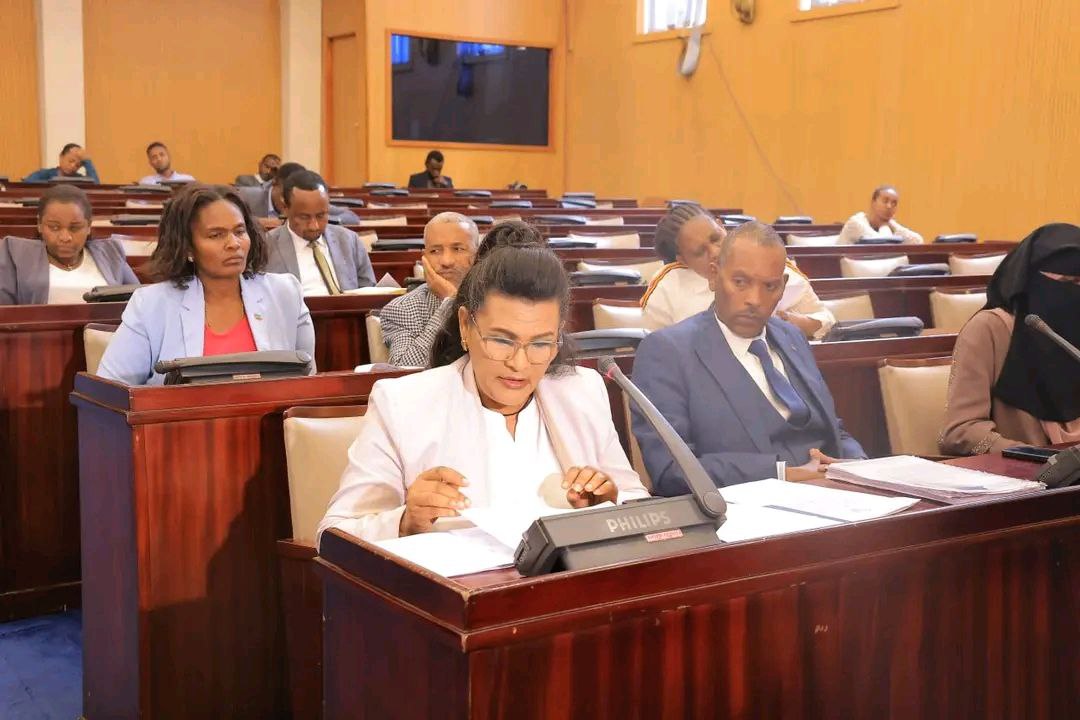
During an official public meeting on December 31, 2025, OFAG was asked to address the findings from an operational audit conducted in the 2023/24 fiscal year, which evaluated ECX’s product intake, inventory, and marketing systems from 2014 to 2016 E.F.Y.

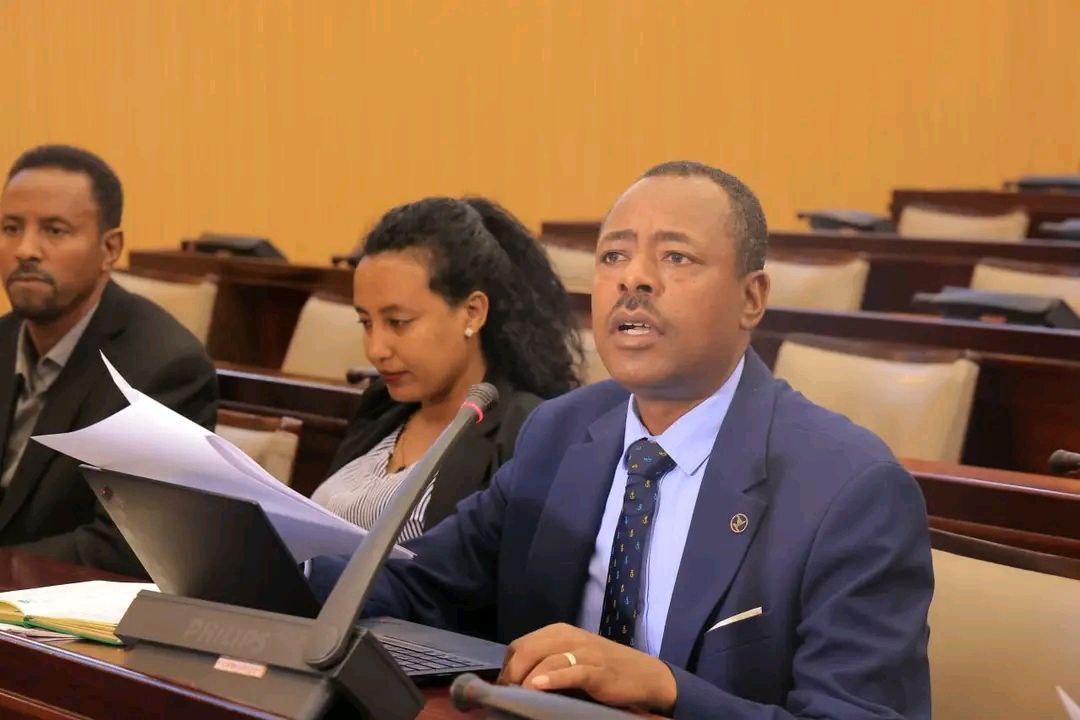
According to Meseret Damte of the Office of the Federal Auditor General, ECX has not established a system to ensure that transactions involving non‑export coffee products are conducted solely through the commodity exchange platform.

The new audit report indicates that while the institution is expected to implement such a system, it has not carried out follow‑up checks to verify compliance during the audit period.

Particularly concerning, as noted in the 2022/23 plan execution report, is the low level of participation by exporters in bringing non‑export products to the commodity market as required.
This situation, the audit warns, increases the risk that such coffee will enter illegal smuggling channels.

The report also notes that there is no effective system in place to coordinate with relevant authorities — including Customs, the Ministry of Trade and Regional Integration, and the police — to help the exchange determine the final destination of these goods.

In its written response to the audit findings, ECX management argued that the proclamation establishing the institution (No. 550/1999) does not grant it regulatory powers.

“The commodity exchange is designed to connect buyers and sellers; it is not authorized by the proclamation to supervise,” the management stated, emphasizing that ECX is fulfilling its responsibility by sending daily market data to the Ministry of Trade and Regional Integration and the Coffee and Tea Authority.

Officials also noted that supervisory bodies are responsible for conducting the necessary monitoring based on the information provided.

They added that the exchange submits quarterly reports to the Coffee and Tea Authority, enabling the authority to use this data for oversight. “We send the data, and the regulators are expected to follow up as needed,” ECX said, insisting that any gaps in enforcement fall under the responsibility of the regulatory institutions.

The government has also established a consignment system that allows exporters to transport purchased products to their own hulling or processing facilities.

The Coffee and Tea Authority, however, has partially shifted responsibility back onto ECX, indicating that while regional authorities manage domestic coffee consumption, data on products sold through the exchange is neither properly organized nor effectively shared with regional trade bureaus, making monitoring difficult.

In addition, some ECX branches — including those in Mizan Teferi and Wolaita Sodo — were found to have facilitated trades outside the price limits set by the Ministry of Trade, indicating a breakdown in the control system. As noted by the Auditor General in a recent discussion, the overall performance of the commodity exchange is a matter of concern, particularly in light of these control gaps.

Beyond regulatory shortcomings, the audit report highlighted the poor condition of several ECX warehouses. The Bonga warehouse suffers from cracked floors and lacks fencing, while the Humera warehouse is vulnerable to flooding and has a leaking roof.

Warehouses in Adama, Erbe‑Hajira, and Bure were also deemed inadequate, lacking sufficient truck parking and sampling space. These facilities, which fall short of modern infrastructure standards, hinder product quality assurance and timely service, pushing some suppliers toward informal and illegal trading channels.

The report further criticized ECX’s IT system, citing a lack of transparency and accountability that has obscured processes and weakened confidence in the platform.

Moreover, instead of formally updating the exchange’s regulations, there is a pattern of changing guidelines through ad hoc orders from the board or the supervising ministry. This “order‑driven” approach has created an opaque and unpredictable market environment for private sector participants.

Although the commodity exchange was established partly to benefit small producers, the audit revealed that this objective has not been achieved in practice. Over the past three years, no specific initiatives have been planned or implemented to support smallholder farmers.

Most farmers struggle to access timely market information. Because the exchange disseminates market data primarily via Telegram, farmers without access to the app are left in the dark and are more easily exploited by middlemen.

According to the report, between 2022 and 2024, transaction volumes on the ECX fell by between 14% and 51%, while the value of traded commodities declined by between 13% and 30%.

Contributing factors include members shifting to alternative marketing channels, IT system failures and congestion, poor warehouse conditions, delays in board meetings, and slow resolution of operational problems.

Separately, the House of Peoples’ Representatives raised concerns over ECX’s failure to conduct annual financial audits by external auditors since 2010 E.C.

In revenue terms, 22.7% (approximately 467 million birr) of the more than 2 billion birr planned to be collected over three years remains uncollected. The audit concludes that this financial shortfall could hinder the implementation of much‑needed reforms within the institution.

Nile Insurance records record 560 million birr profit despite rising costs, lower EPS 

0

Nile Insurance S.C. has posted a record 560.5 million birr in pre-tax profit for the 2024/25 fiscal year, marking a 16.6 percent increase from 480.6 million birr the previous year. The insurer credits its growth to a balanced strategy of strengthening core general insurance services and expanding investment income, even as rising costs and shrinking margins pressured the bottom line. 

According to the company’s annual report, Nile’s performance remained resilient despite inflationary pressures, fierce price competition, and declining returns from its life insurance division. Earnings per share (EPS) dropped 5 percent to 417 birr, down from 439 birr last year, largely due to higher operational and administrative expenses. 

“The year was one of strong financial performance but also of significant challenges,” the company said in a statement. “Costs from office rent, fuel, maintenance, and financing charges have eroded profitability margins.” 

Nile’s life insurance segment was highlighted as the most vulnerable business line, with revenue falling to 74.4 million birr from 83.6 million birr a year earlier. The division’s result swung from a profit of 8.9 million birr to a loss of 14.3 million birr, reflecting service costs rising faster than premiums collected. 

Overall, total insurance revenue remained steady at 1.15 billion birr, but the company reported that “intense price undercutting and convergence of interest rates” across the industry weakened profit margins. 

To cushion the effects of market pressure, Nile increased its focus on investment and wealth management. Board Chairperson Mehari Alemayehu said net profits from general insurance rose 72.2 percent to 408.9 million birr, driven primarily by a 46.7 percent increase in investment income, which reached 333.7 million birr. 

Nile’s total assets surged 41 percent to 5.8 billion birr, fueled by portfolio expansion and rising investment in fixed assets such as buildings and equipment. Paid-up capital also climbed 25 percent to 1.25 billion birr, following a shareholder-approved plan to reinvest a portion of dividends to meet the company’s 1.5 billion birr capital target by the end of 2024. 

After legal reserves and other deductions, the company’s net profit stood at 475 million birr, and the board has proposed distributing 372 million birr in dividends to shareholders. 

Nile’s Shariah-compliant Takaful division continued to show rapid growth, with contributions collected jumping 102.6 percent to 38 million birr. However, expenses in the same segment increased by over 200 percent to 30.9 million birr, reflecting the higher cost of expansion and service delivery. 

The company report cited intense market competition as one of the most pressing challenges. Some insurers, it said, were engaging in “undue price undercutting” — offering additional coverage at no extra cost — and certain brokers extended policy terms beyond standard practices. 

“These actions have distorted fair competition and weakened pricing integrity in the market,” the company said. 

Moreover, macroeconomic constraints have reduced demand for insurance tied to bank loans. The recent 24 percent lending cap imposed on commercial banks has reduced credit activity, thereby shrinking demand for loan-based insurance products. The introduction of Value Added Tax (VAT) on some services has also prompted some customers to drop coverage due to affordability issues. 

Despite these headwinds, Nile Insurance said it remains focused on long-term growth through digital transformation, reinsurance consolidation, and improved cost management. The company announced new initiatives to expand customer reach, strengthen branch networks, and refine pricing strategies. 

“Our shareholders have shown strong confidence by reinvesting dividends,” the statement continued. “This capital will reinforce resilience and position the company to compete effectively as the market evolves.” 

Nile Insurance, one of Ethiopia’s oldest private insurers, said it expects the coming year to remain challenging but expressed optimism that its diversified investment strategy and strengthened capital base will sustain profitability and shareholder returns. 

Local NGO accuses Meta of censorship in anti-trafficking campaign

0

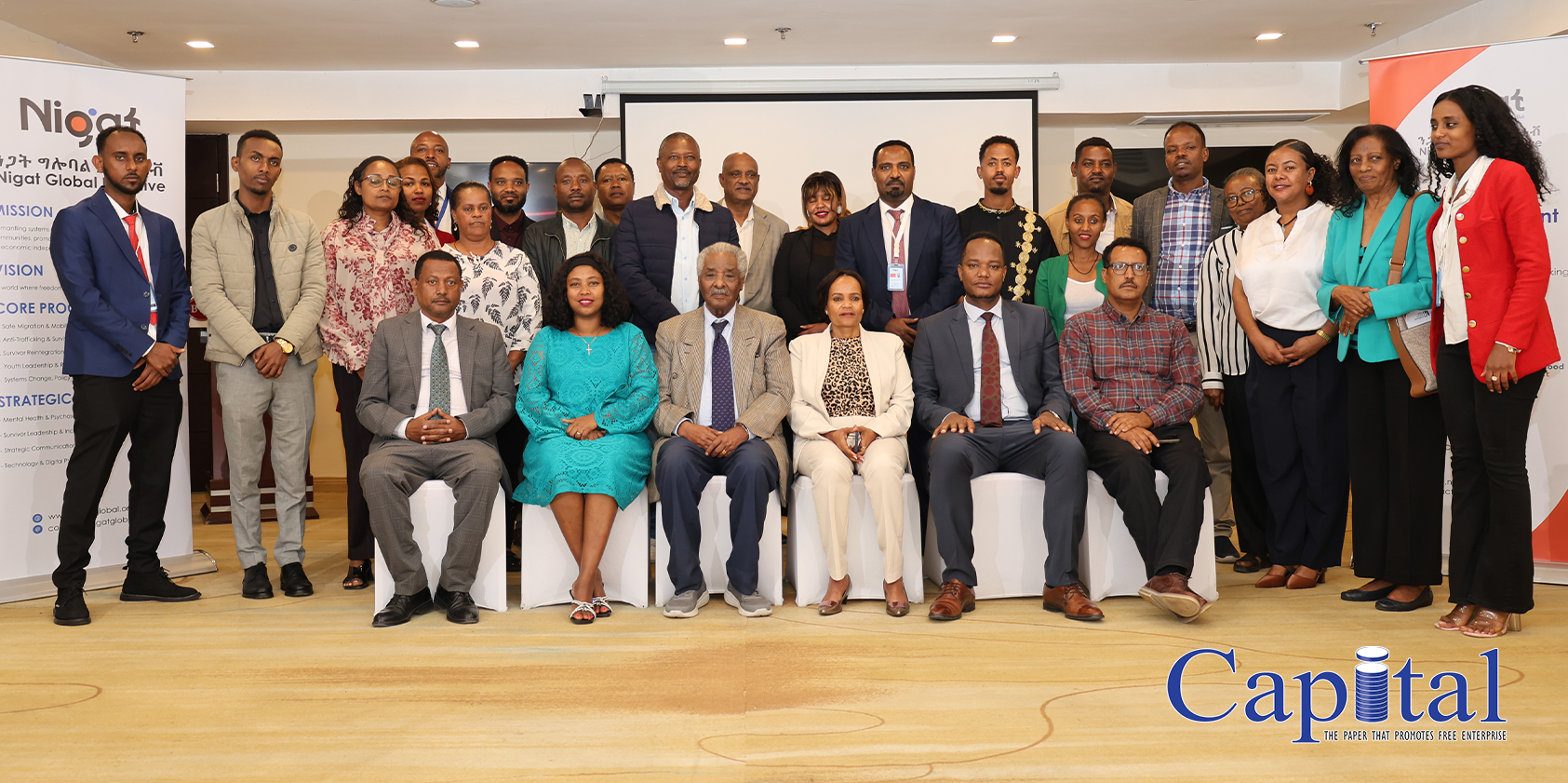
An Ethiopian non-governmental organization focused on combating human trafficking and illegal migration has accused Meta, Facebook’s parent company, of obstructing its vital awareness campaigns by erroneously removing its content.

The Nigat Global Initiative (NGI) reported that a significant advocacy post was deleted from its Facebook page without clear justification. This post included a translated summary of a radio interview with NGI’s founder and CEO, Daniel Melese, which outlined the realities of illegal trafficking and was intended to warn vulnerable individuals.

“The news segment was specifically designed to raise awareness among young people, showing them the true situation on the ground to prevent them from becoming victims,” Daniel stated.

To reach a broader audience, including those living abroad, NGI translated the Amharic audio into English and shared it on social media. However, Meta soon removed the post, citing a violation of its Community Guidelines.

“We were baffled. We appealed the decision and requested a human review of the content, explaining its context and purpose, but our appeal was declined,” Daniel said.

He told Capital that the post highlighted how traffickers use social media to recruit victims, while NGI utilizes the same platforms to combat this crime.

The removed content specifically addressed the trafficking of Ethiopians to Southeast Asia, warning youth to scrutinize job offers in countries like Myanmar, Laos, and Cambodia.

Daniel painted a grim picture where victims, including university graduates, are forced into harsh conditions and coerced into participating in criminal scamming operations.

“This is a multibillion-dollar business, making it extremely difficult to free captive individuals,” he noted.

He added that traffickers, often collaborating with Ethiopian accomplices, are now broadly recruiting for these scam centers, not just targeting those with technical backgrounds.

Daniel expressed deep concern over the removal of the content, questioning whether large platforms rely too heavily on artificial intelligence without comprehending real-world contexts. “How can such major media platforms understand real-world crises if they leave the responsibility to AI?” he asked.

Despite these challenges, NGI continues its efforts in collaboration with the government and other organizations. Last year, with support from the Ministry of Foreign Affairs, 980 individuals—including graduates and former jobholders—were repatriated.

NGI’s mission encompasses prevention, survivor support, and reintegration through skills training and economic empowerment programs.

“We help survivors and returnees rebuild their lives,” Daniel explained during a media awareness event in Addis Ababa, emphasizing the organization’s commitment to combating trafficking both online and in the community.

Controversy persists over linking health contributions to business licenses 

0

The government’s practice of making health contribution payments a requirement for obtaining and renewing business and professional licenses has drawn growing criticism from the private sector, which accuses authorities of inconsistent implementation and administrative overreach. 

In several regions of the country, businesses and professionals in health-related and other sectors have been required to make mandatory “health contributions” before receiving business or professional licenses. While the policy aims to support public health funding, business leaders argue that the procedure lacks transparency and is being applied unevenly across regions. 

At a recent public–private consultation forum organized by the Addis Ababa Chamber of Commerce and Sectoral Associations under the theme “Investment, Good Governance, and Institutional Efficiency for Private Sector Development”, business owners expressed strong dissatisfaction with the current system. 

Biniyam Birhanu, chairman of the Addis Ababa Chamber’s Kolfe Branch, said health contribution collections vary widely and often appear arbitrary. “In some areas, paying health-related fees is mandatory before renewing a professional or business license. In others, there is no such requirement at all,” he said. 

He added that changes in proclamations and directives have created uncertainty among entrepreneurs. “The government has revised these rules several times in a short period, mainly to increase revenue. This has confused both business owners and the officials tasked with implementation,” he said. 

Biniyam further argued that many employees within revenue offices lack the necessary understanding of the regulations, leading to inconsistent application. “The staff enforcing these directives are not adequately trained. Instead of informing us correctly, they often give misinformation, which disrupts business operations,” he noted. 

Experts echoed these concerns, citing examples such as the 2024/25 profit tax directive, which initially appeared to apply to all taxpayers but was later clarified as excluding importers — a change that triggered what some described as “widespread frustration and mistrust.” 

Representatives from the Addis Ababa Revenue Bureau acknowledged administrative shortcomings but defended the intent behind the health contribution requirement. A bureau spokesperson said the measure is “a public investment” designed to strengthen the city’s social and health infrastructure. 

“The health contribution is not a penalty — it’s part of building sustainable systems that benefit all residents,” the bureau explained. It also emphasized that, as the executive arm of the revenue sector, it is legally obligated to enforce directives issued by higher authorities, including the Ministry of Health and the Ministry of Transport. 

The Revenue Bureau said it is working closely with both ministries to align administrative procedures and clarify ambiguities in the implementation process. 

Officials also highlighted the persistent problem of tax non-compliance, which they said continues to undermine government revenue and create unfair competition in the marketplace. 

Sisay Gezu, head of the Tax Fraud Investigation Directorate at the Ministry of Revenue, said compliance levels remain alarmingly low. “If we go to Merkato today and survey the area, how many traders would issue proper invoices?” he asked, stressing that widespread underreporting harms both public finances and legitimate businesses. 

To address this, the Ministry has begun enforcing tighter controls, especially through digital systems. As of January 1, 2026, all merchants are required to use the new barcode-enabled electronic invoice system, which is designed to curb counterfeit receipts and ensure transparency. 

“Merchants who fail to use the barcode invoice will not be tolerated,” Sisay warned, emphasizing that enforcement will remain strict until the system is fully operational across the country. 

Despite government assurances, the business community continues to call for uniform application of tax and contribution policies, clearer directives, and stronger capacity-building within revenue institutions. 

Chamber officials said that while businesses recognize their responsibility to contribute to national development, the current mix of inconsistent directives, untrained enforcement personnel, and overlapping institutional mandates threatens Ethiopia’s goal of building a transparent, digital economy. 

“The principle of contribution is not the problem,” said one participant at the consultation forum. “It is the way it’s being enforced — unpredictably and without clear communication — that is eroding trust between the private sector and government institutions.”