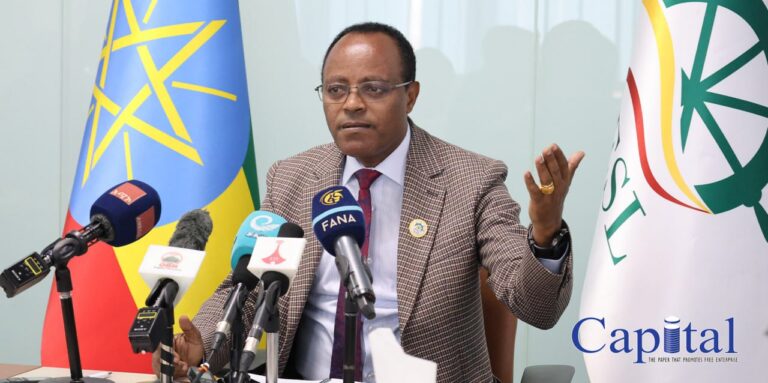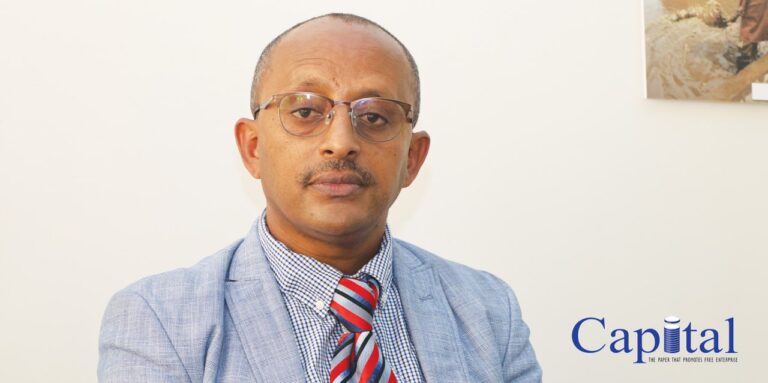
Professional associations play a pivotal role in shaping the socio-economic landscape of any nation. In Ethiopia, these associations are increasingly recognized for their potential to drive workforce development, enhance professional standards, and contribute to national progress. However, the journey of professional associations in Ethiopia is marked by both significant achievements and persistent challenges. This interview with Mesganaw Getinet, a prominent figure in Ethiopia’s training and consultancy sector, sheds light on the evolution, challenges, and opportunities facing professional associations in the country. Mesganaw, the founder of MG Consultancy and a key advocate for the Ethiopian Training and Development Professionals Association (ETDPA), shares insights into the sector’s growth, the role of government, and the strategies needed to strengthen these associations. This condensed version of the interview captures the essence of his perspectives, offering a comprehensive overview of the current state and future potential of professional associations in Ethiopia.
Capital: What are the primary goals and objectives of your professional association?
Mesganaw Getinet: The ETDPA operates under Ethiopian government proclamation 1113/2019, focusing on four key areas:
– Enhancing the Profession: Improving standards, practices, and recognition of the training and development sector.
– Maintaining Professional Ethics: Ensuring high ethical standards and a clear code of conduct among members.
– Conducting Research and Volunteer Services: Providing actionable insights for policymakers and supporting community development.
– Fostering Indigenous Training Practices: Promoting culturally appropriate training methods to ensure sustainability and effectiveness.
Through these initiatives, ETDPA aims to create a vibrant, innovative, and inclusive training sector in Ethiopia.
Capital: What role does your association play in advocating for policy changes?
Mesganaw: ETDPA promotes policy reforms through evidence-based advocacy, collaboration, and proactive engagement with stakeholders. We conduct research to identify gaps and opportunities in the training sector, providing data-driven recommendations to policymakers. We also advocate for the integration of indigenous training practices and work with policymakers to enhance professional standards and ethics. Additionally, ETDPA members contribute volunteer services, offering valuable insights to support policy development.
Capital: How can the government better address the diverse needs and objectives of different professional associations?
Mesganaw: The government can support professional associations by fostering collaboration, offering tailored resources, and integrating their insights into policy-making. Establishing regular forums for dialogue, providing funding and technical assistance, and promoting membership in professional associations are key strategies. Additionally, the government should encourage research and innovation, strengthen legal frameworks, and raise public awareness of the contributions made by professional associations.
Capital: How can the association ensure its understanding of government proclamations is up-to-date and relevant?
Mesganaw: ETDPA ensures its understanding of government proclamations is current through capacity-building efforts, such as workshops and seminars led by legal experts. We create user-friendly materials summarizing key regulations and maintain partnerships with legal advisors to stay informed about changes. Regular consultative forums with government officials and other associations also help clarify and disseminate information.
Capital: What is the role of the government in supporting the growth and effectiveness of professional associations in Ethiopia?
Mesganaw: The government plays a pivotal role in supporting professional associations by preparing tailored policies, streamlining registration processes, and providing induction training for new associations. Networking associations with local and international donors, recognizing their achievements, and revising governing structures to align with their unique objectives are also critical. These measures can enhance the growth and impact of professional associations in Ethiopia.

Capital: How can employers make the most of the services provided by professional associations?
Mesganaw: Employers, including SMEs and larger organizations, can gain significant advantages by actively engaging with professional associations. These associations play a crucial role in advancing professions, supporting professional development, and contributing to policymaking and community initiatives that benefit employers. By participating in association activities, employers access valuable resources such as specialized training programs, workshops to enhance workforce skills, and industry insights that help them stay ahead of trends. Continuous professional development opportunities ensure that employees remain competent and aligned with global standards. Additionally, collaboration with associations on research initiatives allows employers to tackle industry challenges effectively, improving efficiency and competitiveness. This partnership also provides access to best practices and innovative perspectives that drive growth. Supporting professional associations enables employers to fulfill their corporate social responsibility (CSR) commitments. By sponsoring or partnering with these organizations, employers contribute to the development of the professional community and society at large, fostering a skilled and engaged workforce. Ultimately, this collaborative approach strengthens the professional ecosystem, promoting shared growth and innovation while benefiting both employers and the broader.
Capital: What are the key challenges and opportunities for the growth and development of professional associations in Ethiopia?
Mesganaw: The growth of professional associations in Ethiopia faces significant challenges, but also presents numerous opportunities for progress and sustainability.
Key Challenges
One major obstacle is the regulatory framework, which mandates that associations providing licensing services must have over 75% of their membership from professionals in their fields. A recent survey indicated that 97% of respondents found this requirement impractical, given the disparities in the professional landscape. Additionally, the federal registration process managed by the Authority of Civil Society Organizations (ACSO) is complicated by parallel certification systems from regional governments, creating inconsistencies and inefficiencies. Directive 849/2021 adds further complexity by not addressing the specific needs of professional associations, particularly regarding the 75% membership threshold. Operationally, high administrative costs and strict donor funding requirements hinder effectiveness. Many associations struggle to secure sustainable funding due to complex donor conditions, which often distract from their core missions. Moreover, low community awareness about the value of these associations limits support and participation, while minimal government backing leaves them without necessary institutional support.
Key Opportunities
Despite these challenges, several opportunities can foster the growth of professional associations in Ethiopia. Policy advocacy is a significant opportunity; associations can help shape supportive regulatory frameworks. Capacity building through targeted training can enhance internal operations and effectiveness. Strategic partnerships with local and international donors can provide essential funding and resources. Increasing community engagement through workshops and campaigns can raise awareness about the role of these associations in national development. Additionally, collaboration with businesses on Corporate Social Responsibility (CSR) initiatives can create mutually beneficial relationships that support workforce development. Technological advancements also offer opportunities for improved communication and service delivery through digital tools for training and online forums.
Capital: What are the best practices and lessons learned from other countries that can be applied to the situation in Ethiopia?
Mesganaw: Ethiopian professional associations can learn from other African countries, such as Kenya’s phased registration process, South Africa’s consultative approach to policy-making, and Nigeria’s resource-sharing model. Rwanda’s focus on leadership training and Ghana’s member engagement strategies are also valuable. By adopting these practices, Ethiopian associations can address challenges and enhance their operations.
Capital: How do you see the success of different professional associations in different sectors in Ethiopia?
Mesganaw: The success of professional associations in Ethiopia varies across sectors. Some associations have achieved milestones such as acquiring office spaces, initiating income-generating activities, and providing competency certifications. However, most associations struggle with financial sustainability, membership recruitment, and public visibility. Targeted growth strategies, including capacity building, strategic partnerships, and community-focused initiatives, are needed to enhance their impact.
Capital: What is the impact of being a member of a professional association on the employment outcomes of professionals in Ethiopia?
Mesganaw: Membership in professional associations enhances employment outcomes by providing access to training, certifications, and networking opportunities. Associations offer job boards, career counseling, and advocacy for members’ rights, improving employability and career growth. Membership also enhances professional credibility, making members more attractive to employers.
Capital: Can professional associations contribute to economic growth and social development?
Mesganaw: Yes, professional associations contribute to economic growth by enhancing workforce capabilities, fostering innovation, and setting industry standards. They also engage in community projects and advocate for policies that benefit society. By promoting ethical practices and indigenous knowledge, associations strengthen Ethiopia’s global image and support sustainable development.
Capital: How can professional associations in Ethiopia effectively address the issue of weak enforcement of professional standards and ensure compliance with ethical guidelines?
Mesganaw: Associations can ensure compliance with ethical guidelines by creating and refining professional standards, providing ongoing education, and implementing monitoring and evaluation systems. Advocacy for robust legislative measures, transparency in handling violations, and fostering a supportive professional environment are also essential.
Capital: How can professional associations in Ethiopia maintain their independence and autonomy while effectively engaging with government agencies and policymakers?
Mesganaw: Professional associations can maintain independence by establishing strong governance structures, adhering to non-partisan principles, and promoting transparency. Strategic partnerships and constructive dialogue with government entities, while maintaining a clear distinction between advocacy and policy execution, can enhance their influence without compromising autonomy.
Capital: What are the key priorities for the future development of professional associations in Ethiopia?
Mesganaw: Key priorities include strengthening organizational capacity, expanding membership bases, enhancing professional standards, and engaging in policy advocacy. Fostering transparency, accountability, and professional networking, as well as adapting to technological advancements, are also critical. By focusing on these priorities, Ethiopian professional associations can enhance their impact and contribute to national development.