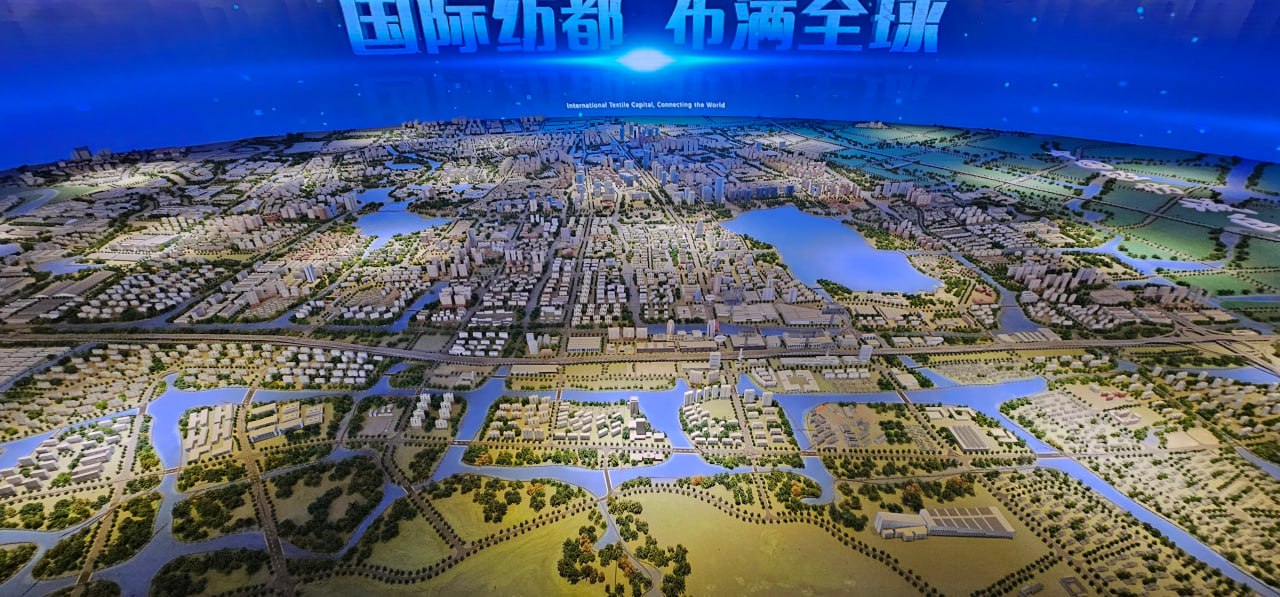
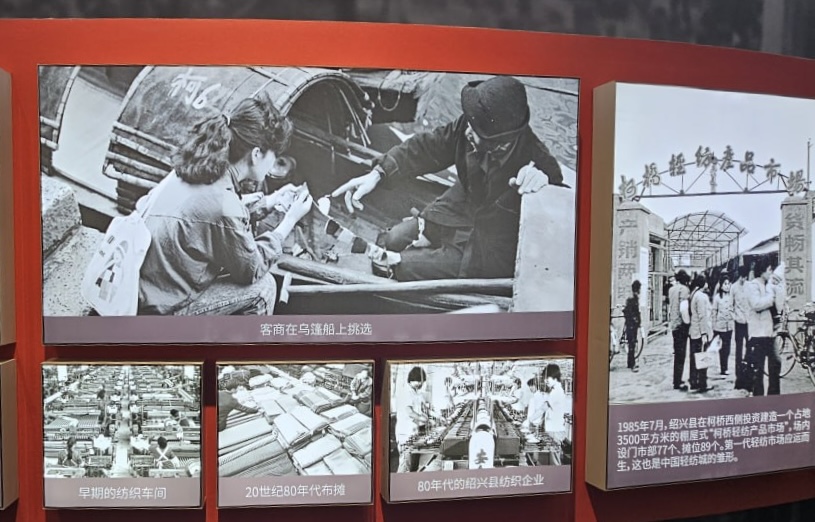
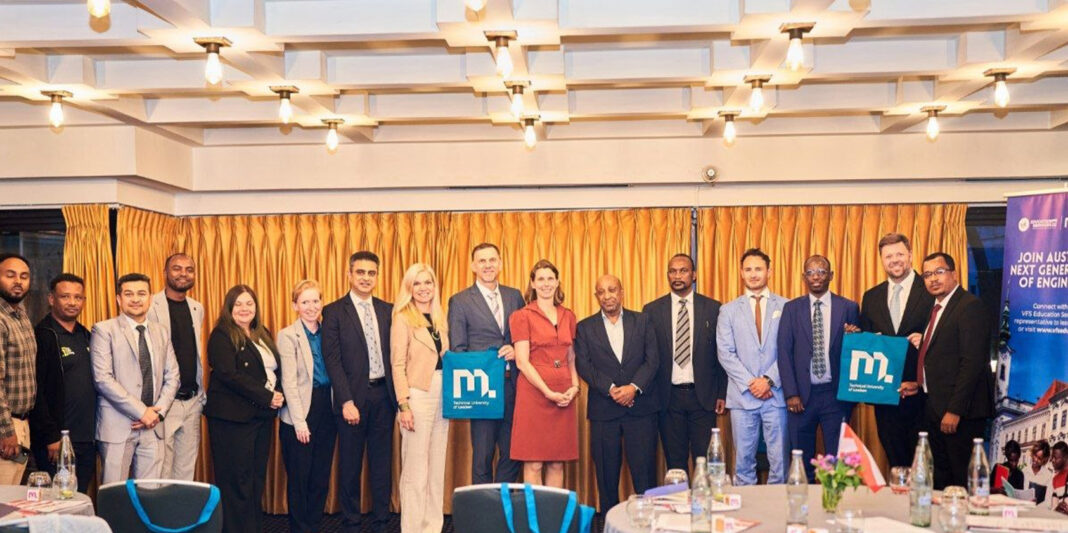
In the bustling Keqiao District of Shaoxing (Zhejiang Province), the sheer scale of global commerce materializes in a dizzying labyrinth of fabric, color, and machinery. This is China Textile City—an industrial cluster officially recognized as the largest textile distribution hub in Asia. Responsible for trading roughly a quarter of the world’s apparel fabrics annually, the mega-cluster serves as the undisputed beating heart of the global garment supply chain. Capital gained access to this sprawling industrial marvel to evaluate firsthand how the modern textile ecosystem operates.
While the market is traditionally renowned for its staggering trade volume, a profound structural evolution is taking place beneath its surface. The era of low-cost, uniform mass production is rapidly yielding to an agile framework driven by intensive seasonal market research, color forecasting, and hyper-rapid trend alignment. To understand this paradigm shift, Capital spoke with one of the 5,000 plus advanced boutique mills in Keqiao, finding a prime example in a prominent manufacturing and design supplier known by its English trade initialization, SSTY.
Companies matching this high-end profile typically anchor their operations in premium showrooms or corporate design spaces within the East Market or Union Market sectors of Keqiao. Unlike the traditional stalls of raw or stock materials, these specific zones are explicitly designated for high-end, fast-fashion, and trend-setting apparel fabrics.
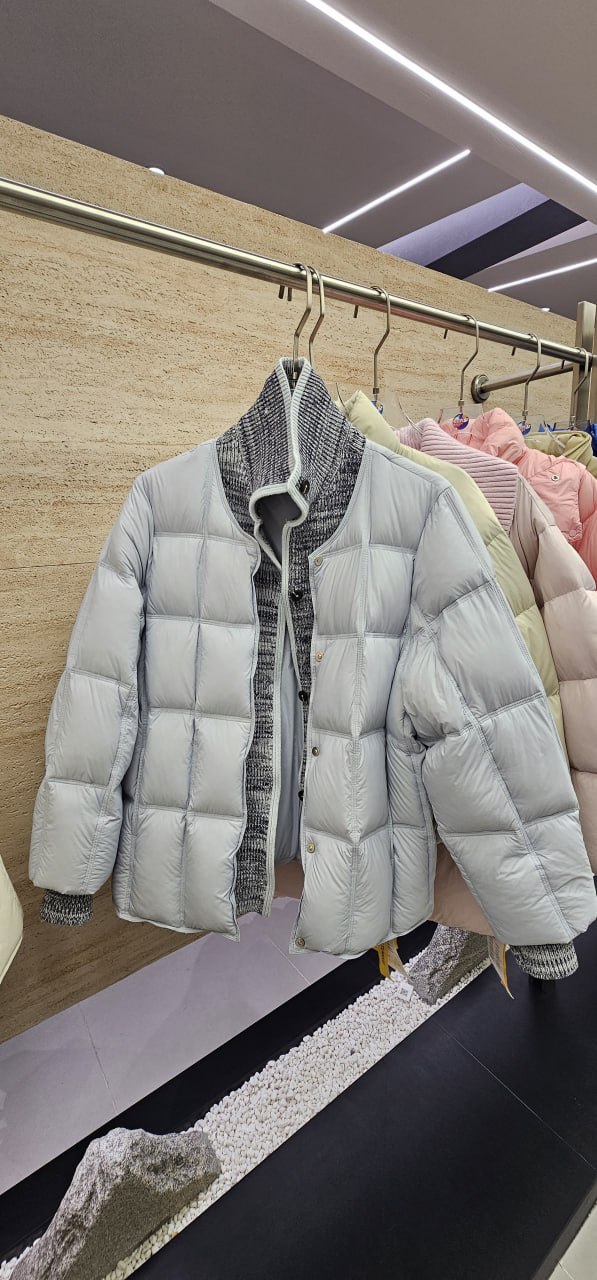
Operating as a high-end Original Design Manufacturer (ODM), SSTY bypasses the conventional model of simply processing mass orders for basic textiles. Instead, the firm channels significant capital into custom sample creation, specializing heavily in high-performance, trend-forward fashion bases. Their production capabilities focus tightly on knitted jerseys, premium spandex blends, high-stretch scubas, and technical jacquards specifically tailored for modern street fashion, casual leisurewear, and athletic apparel. Pushing the boundaries of material science further, their latest addition to their portfolio features an advanced UV-protection fabric designed specifically for the surging casual outdoor apparel market.
SSTY perfectly exemplifies the lean scale and strategic supply chain positioning of a highly specialized, agile boutique design and trading mill. Operating with a core team of around 70 employees, the company maintains a remarkably high-efficiency framework. In Keqiao, these next-generation firms keep their vital R&D, design, quality control (QC), and brand-management teams completely in-house.
Rather than burdening themselves with massive, inflexible infrastructure, they leverage Keqiao’s extensive, hyper-interconnected regional network of specialized local dyeing and weaving facilities, explains SSTY’s founder. This allows them to scale physical production upward or downward almost instantly.
This design-first framework is precisely why a mid-sized team of 70 can successfully anchor the supply chains for China’s largest domestic clothing brands and fast-fashion giants. They act as the agile creative engine that converts global runway trends into shelf-ready fabrics at record speeds.
As developing nations look to scale their own industrial manufacturing footprints, the Keqiao model—and the lively blueprint demonstrated by innovators like SSTY—offers a compelling case study. True supply chain dominance is no longer achieved merely by operating the largest factories, but by commanding the fastest, most intelligent bridge between design inspiration and production reality.