The massive amount of wealth flowing annually into Ethiopia’s pastoralist areas from international aid organizations (donors) and domestic government capital budgets is raising serious questions, as it fails to align with tangible improvements in the livelihoods and drought-resilience of the pastoralist community. For decades, Ethiopia’s arid and semi-arid lowlands—home to millions whose livelihoods depend on livestock rearing and seasonal mobility—have been the focus of high-value development and humanitarian interventions. Millions of dollars flow every year to improve food security, animal health, water infrastructure, and climate adaptation.
Data gathered from policymakers and sector experts indicate that the “unbelievable” macro-budget mobilized in the name of pastoralists and the socio-economic reality on the ground are as far apart as heaven and earth.
Tezera Getahun, Executive Director of the Pastoralist Forum Ethiopia (PFE), told *Capital* that the metric for a project or policy’s success should not be the amount of money spent, but rather how much the community has improved on the Multidimensional Poverty Index and how much its capacity to withstand drought hazards (Climate Resilience) has grown.
“We have calculated the resource flow,” Tezera stated. “An unbelievable, massive budget provided by the government, donors, and NGOs is allocated and put to work. But what is the metric? It must be the living conditions of the pastoralists. However, when you look at the Multidimensional Poverty Index and their vulnerability during droughts, a fundamental question must be asked: Where did all those resources go?”
The executive director points out that real development indicators—such as a reduction in poverty rates, the number of pastoralist children receiving quality education, and the community’s capacity to withstand severe natural disasters without needing emergency food aid—do not match the financial figures presented at glamorous project-closing ceremonies. The fact that the failure of a single rainy season can still devastate an entire regional economy shows that there is a deep-rooted gap in the way these massive budgets are utilized.
Rather than always viewing pastoralism as a failing system in need of aid, interventions should invest in the existing strengths within the community—such as their strong traditional governance institutions, deep knowledge of rangeland management, and community-led livestock markets. The top-down approach currently implemented by many donors is incompatible with the mobile lifestyle of pastoralists, causing infrastructure to fall into disuse and deteriorate once the project’s funding cycle ends.
On the other hand, climate change has now escalated into severe heatwaves, and worsening environmental imbalances have created a new challenge for pastoralists. The primary solution adopted to tackle this is the recently ratified Proclamation No. 1324/2024. Although this proclamation guarantees land tenure security for pastoralists and protects communal rangelands from illegal encroachment, significant gaps remain in its implementation.
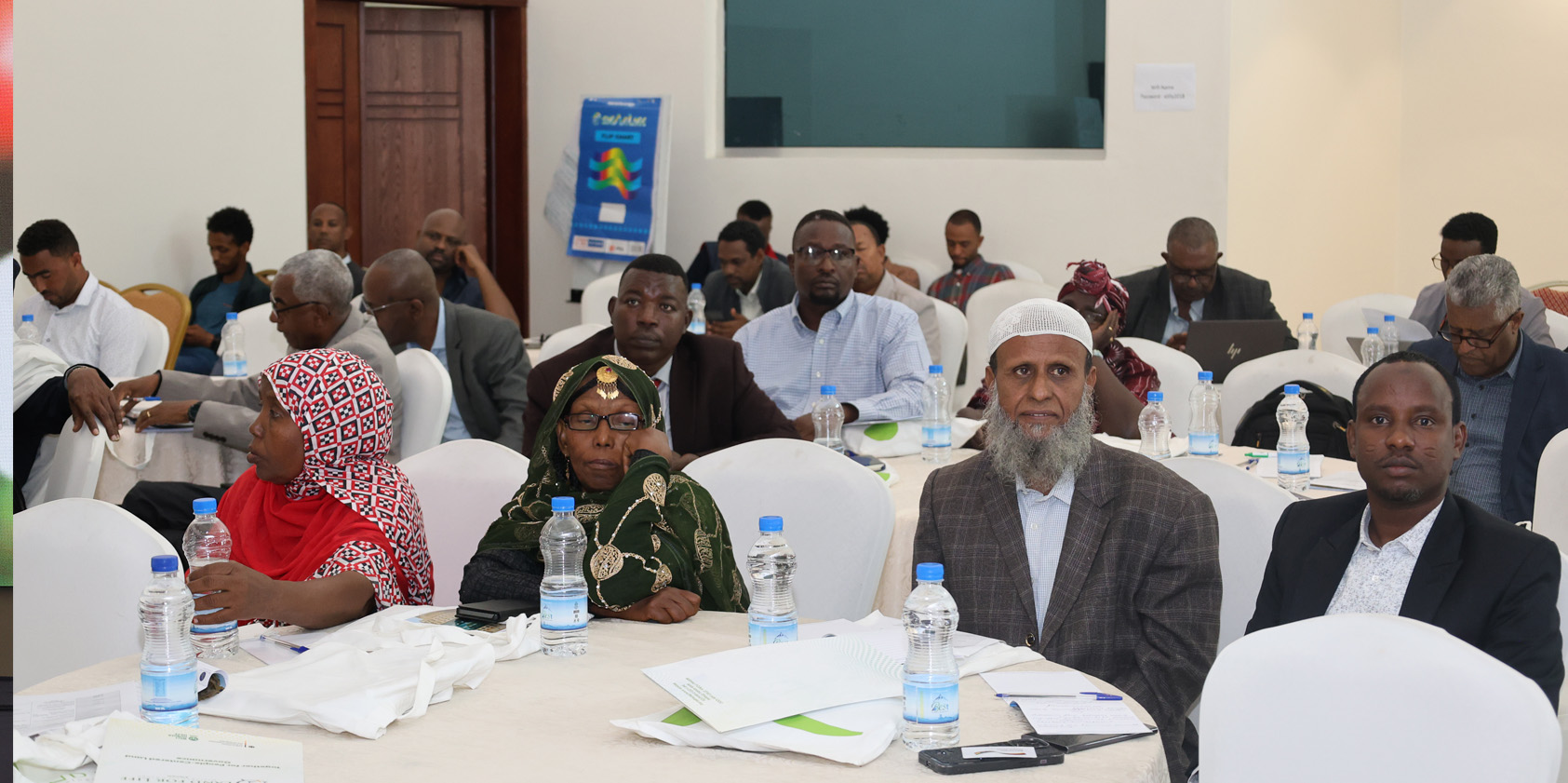
This issue was widely reflected at a national multi-stakeholder policy dialogue focusing on pastoral land tenure, rangeland management, and climate resilience, held on June 25, 2026. The forum was organized by Land for Life (LfL) Ethiopia in collaboration with the National Land Coalition-Ethiopia (NLC).
It is understood that this platform aimed to address the pressing challenges facing Ethiopian pastoral communities by bringing together government institutions, civil society organizations, the academic community, pastoralist representatives, and development partners.
Data shows that there are over 50 million pastoralists in the IGAD region, accounting for 21% of Africa’s pastoralist population; pastoralism continues to play a central role in livelihoods, food security, and biodiversity conservation. However, frequent climate shocks, insecure land tenure, restricted mobility, and competing land uses continue to weaken the resilience of pastoralists and serve as drivers of conflict.
Focusing on Ethiopia’s latest legal framework proclamation (1324/2024) designed to strengthen land tenure administration, the discussion extensively raised issues regarding generating evidence-based policy recommendations, enhancing recognition for traditional institutions and communal tenure systems, as well as strengthening multi-sectoral collaboration and regional experience sharing.