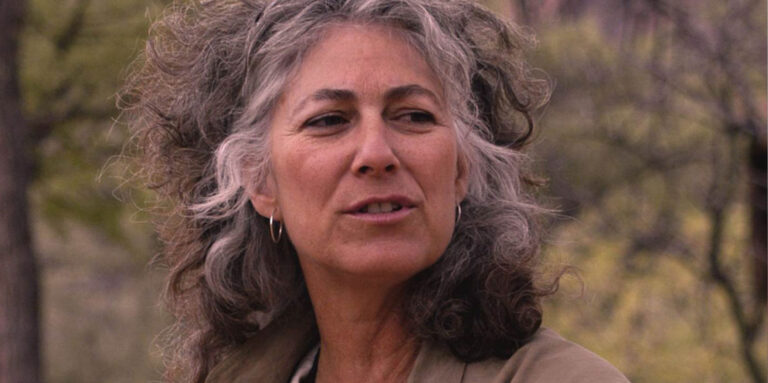
As Ethiopia marks the 60th anniversary of its Wildlife Conservation Authority, global attention is turning to Addis Ababa, where one of Africa’s most respected wildlife experts will help frame the conversation on the future of conservation on the continent. Dr. Laurie Marker, founder and executive director of the Cheetah Conservation Fund, will travel to Addis Ababa on July 20 to take part in a panel discussion and join the anniversary celebration at the Adwa Victory Memorial Museum.
Dr. Marker is widely known for her decades-long commitment to protecting cheetahs, one of Africa’s most endangered species. Through research, community-based conservation, anti-wildlife trafficking work and the use of modern technologies, she has helped shape some of the most important conservation models now being applied across Africa. Her work has also emphasized a central truth in wildlife protection: conservation cannot succeed if it is separated from the people who share land, water and livelihoods with wildlife.
Ethiopia’s role in that conversation is especially significant. With its rich ecosystems, unique landscapes and endemic species, the country remains one of Africa’s most important conservation frontiers. From highland habitats to lowland rangelands, Ethiopia’s biodiversity is not only a national asset, but part of the ecological foundation of the wider Horn of Africa. That makes the country’s conservation anniversary more than a symbolic milestone. It is also a reminder of the long-term commitment required to protect Africa’s natural heritage in the face of climate change, habitat loss and growing pressure on natural resources.
In this interview, Dr. Marker reflects on Ethiopia’s conservation journey, the importance of working with communities, the promise of technology, and the lessons African countries can learn from successful conservation models around the world. Her message is clear: conservation is not simply about saving animals. It is about protecting ecosystems, supporting rural livelihoods and ensuring that future generations inherit a living natural environment. Excerpts;
Capital: What does Ethiopia’s 60th anniversary of wildlife conservation mean to you, and why is this milestone important for the continent?
Laurie Marker: Having worked across eastern and southern Africa for over five decades, I’ve always viewed Ethiopia as one of the continent’s conservation anchors, a country whose landscapes and wildlife influence the future of biodiversity far beyond its borders.
Ethiopia’s 60th anniversary of wildlife conservation is a celebration of commitment. For sixty years, wildlife professionals, researchers, communities and government have worked to protect one of Africa’s richest natural heritages.
For Africa, this anniversary demonstrates that conservation is a long-term investment. Strong institutions that endure political change, drought and increasing pressure on natural resources are essential for protecting biodiversity.
Wildlife conservation isn’t simply about saving animals. It’s about securing the ecological future of our continent.
Capital: How do you see Ethiopia’s conservation strategy evolving as it moves toward a more integrated model that connects biodiversity, local communities and scientific innovation?
Laurie Marker: The future of conservation is integration. Wildlife cannot be managed separately from people, agriculture, livestock, water or climate change.
Ethiopia has the opportunity to build a model where protected areas are connected by healthy working landscapes that support both wildlife and communities. Modern science, from genetics and satellite imagery, to AI and wildlife monitoring, can guide better decisions, but technology should complement, not replace, local knowledge.
The strongest conservation strategies combine science, government leadership and community stewardship.
Capital: Ethiopia is home to some of Africa’s most unique ecosystems and endemic species. Why is the country so critical to the future of wildlife conservation in Africa?
Laurie Marker: Ethiopia is one of Africa’s biological treasures. Its highlands, forests, wetlands and arid landscapes support remarkable species such as the Ethiopian wolf, cheetah, Walia ibex and gelada. Because Ethiopia sits at the crossroads of several ecological regions, conserving its landscapes also protects wider ecological processes across the Horn of Africa and beyond.
Protecting Ethiopia’s biodiversity isn’t just important for Ethiopia, it’s important for Africa and for the world.
Capital: From your experience, what is the strongest link between wildlife protection and local community livelihoods?
Laurie Marker: The strongest link is coexistence. People living alongside wildlife experience both its benefits and its costs. Conservation succeeds only when communities receive real benefits while having practical tools to reduce conflict.
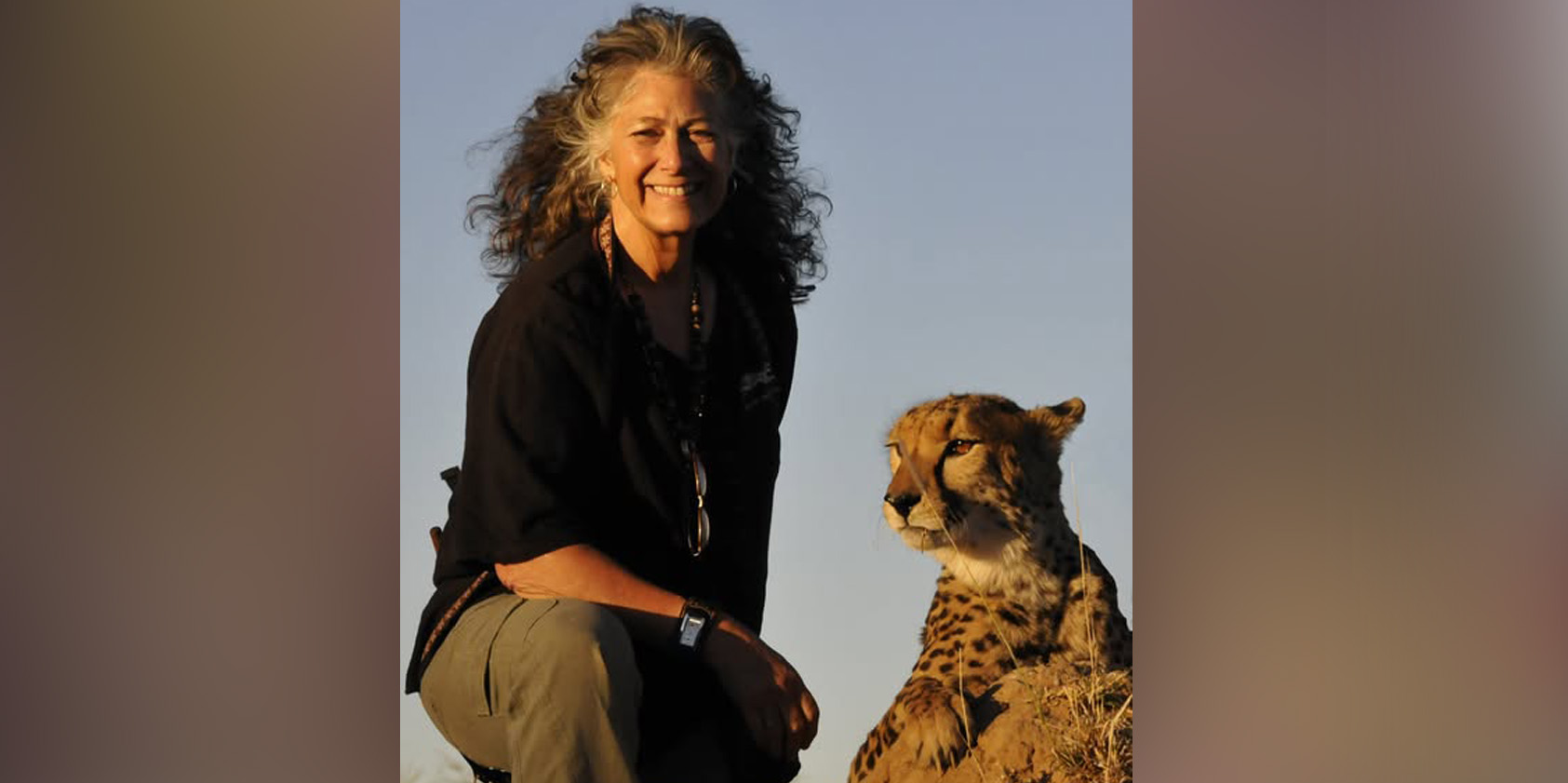
Through CCF’s work in Namibia, we found that helping farmers protect their livestock through our Future Farmers of Africa programme dramatically changed attitudes toward predators like the cheetah. When communities thrive, wildlife also benefits.
Capital: How can conservation create real economic value for communities through sustainable development and ecotourism?
Laurie Marker: Conservation creates lasting value when local people become partners in the economy rather than spectators.
Ecotourism generates employment, supports local businesses and creates incentives to protect wildlife and healthy ecosystems. But communities must also receive ownership opportunities, training and a fair share of the benefits.
Habitat restoration, sustainable agriculture and nature-based enterprises can improve livelihoods while restoring biodiversity.
Healthy ecosystems are productive economies.
Capital: What lessons can Ethiopia and other African countries learn from successful conservation models used elsewhere in the world?
Laurie Marker: The most important lesson is that conservation models should be adapted, not copied.
Successful programmes share common principles: strong science, community participation, clear government policies and fair distribution of benefits.
Namibia’s communal conservancies, for example, have shown how communities can become active wildlife managers while benefiting from conservation. At CCF, we have adapted this model and are now helping to develop conservancy approaches in Somaliland and elsewhere in the Horn of Africa.
Ultimately, investing in people is just as important as investing in wildlife.
Capital: You have spent decades working on cheetah conservation. What are the biggest threats facing cheetahs today, and how should governments respond?
Laurie Marker: The greatest threats facing cheetahs are habitat loss and fragmentation. Most cheetahs live outside protected areas, where they increasingly come into conflict with people.
Illegal wildlife trafficking, declining prey populations, genetic vulnerability and climate change add further pressure. In the Horn of Africa, the illegal pet trade continues to remove cubs from the wild, with most dying before reaching adulthood.
Governments must protect connected landscapes, strengthen law enforcement, support conflict mitigation and work closely with local communities.
Capital: How important is community-based conservation in protecting endangered species like the cheetah?
Laurie Marker: Community conservation is essential. Cheetahs move across farms, rangelands and community areas, so conservation cannot depend on protected areas alone.
Communities need practical tools such as improved livestock management, livestock guarding dogs, early-warning systems and locally managed conservancies. When people become conservation partners rather than bystanders, wildlife has a future.
Capital: What role do anti-wildlife trafficking efforts play in modern conservation, and where are the biggest gaps?
Laurie Marker: Wildlife trafficking is one of today’s greatest conservation challenges. It threatens biodiversity while supporting organised criminal networks.
For cheetahs, the illegal pet trade is especially devastating. For every cub that reaches a buyer, four or five usually die during capture or transport, and most surviving cubs live only a year or two because they receive inadequate care.
The greatest gaps remain cross-border cooperation, intelligence sharing, specialised law enforcement and reducing consumer demand.
Stopping trafficking requires governments, communities and international partners to work together.
Capital: How are new technologies, including AI, changing the way conservation work is done on the ground?
Laurie Marker: Technology is transforming conservation. At CCF, we use satellite collars, camera traps, genetics, drones and remote sensing to better understand wildlife and reduce conflict. AI is helping us analyse enormous amounts of data, detect patterns more quickly and improve early-warning systems for farmers. Technology will never replace experienced field biologists or local knowledge, but it is becoming one of conservation’s most powerful tools.
Capital: How can African governments, researchers and communities work together more effectively to protect biodiversity at scale?
Laurie Marker: Protecting biodiversity requires genuine partnership. Governments provide leadership and policy, scientists provide evidence, and communities provide daily stewardship of the land. None can succeed alone. Africa needs stronger regional collaboration, shared monitoring systems and greater investment in young conservation professionals. The future of African conservation will depend less on individual organisations and more on how well we work together across borders, disciplines and communities.