Thursday, October 1, 2026
Home Blog Page 259

Limits on interbank fund transfers spark major grievances among industrial park tenants

0

Investors in Ethiopia’s industrial parks have reported that shortcomings in banking procedures and restrictions on fund transfers between banks are imposing significant hardships and unnecessary costs.

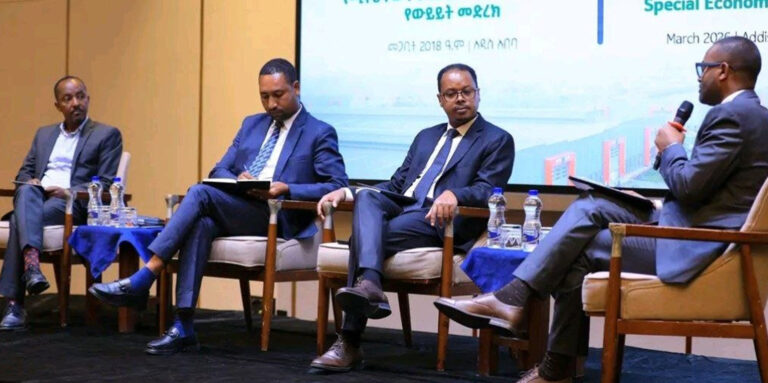
These concerns were raised during a consultative forum attended by officials from the National Bank of Ethiopia, the Industrial Parks Development Corporation (IPDC), and various commercial banks.

A primary issue highlighted by investors was their inability to freely transfer their own capital between banks. This restriction not only limits their financial flexibility but also creates obstacles when they need to manage funds for various purposes. As one investor lamented, “We have become prisoners of our own money due to the limits set by banks.”

A representative from Everest Apparel in the Hawassa Industrial Park underscored the severity of the situation, stating, “We should have full freedom to transfer funds held in our company’s name to another bank for better financial management; however, we are completely restricted. This is deeply frustrating.”

Additionally, delays in processing foreign currency (USD) payments by bank professionals have resulted in substantial losses for companies. Payments for land rent and immigration fees to government institutions have been delayed for over a week, forcing investors to incur a daily penalty of $30.

“This is a clear injustice against our company,” the representative added, emphasizing that since the delays were caused by the bank and not the company, it is unfair for the investor to bear such penalties.

Furthermore, the prohibition on earning interest on foreign currency held in bank accounts for extended periods has become another significant grievance.

Investors have reported that when they seek to place their funds in Time Deposits to earn interest, banks deny their requests, citing “no directive.” They have called for clarification on whether this is a regulation from the National Bank of Ethiopia or an internal policy of commercial banks.

A representative from NASA Garment in Hawassa Industrial Park elaborated on how the banking system overlooks the practical needs of the industry. He noted that banks’ persistent focus on property collateral for lending presents a major challenge.

Specifically, NASA pointed out that banks’ failure to distinguish between Capital Expenditure (CAPEX) and Operating Expenditure (OPEX) significantly hampers domestic investors. This misunderstanding has led to operational cash shortages for companies in the sector, diminishing their competitiveness.

Currently, there are about 22 operational Special Economic Zones in Ethiopia, developed by both the government and private developers, with nearly 700 enterprise activities underway across the country.

According to the latest IPDC report, domestic investors now account for 58.5% of new firms entering Special Economic Zones.

Following the implementation of the new Special Economic Zone Proclamation (No. 1322/2016), aimed at accelerating economic growth and attracting foreign investment, the Ethiopian government has established strict requirements for developers wishing to operate in this sector.

Under the new directive, investors or organizations must have a minimum investment capital of $75 million to obtain a license as a Special Economic Zone Developer. Additionally, the land area to be developed must not be less than 50 hectares.

These zones serve as hubs for government policy experimentation and play a crucial role in diversifying the country’s economy beyond manufacturing into trade and service sectors.

Rotary Joins Ethiopia’s Nationwide Push to Vaccinate Over 17 Million Children Against Polio

0

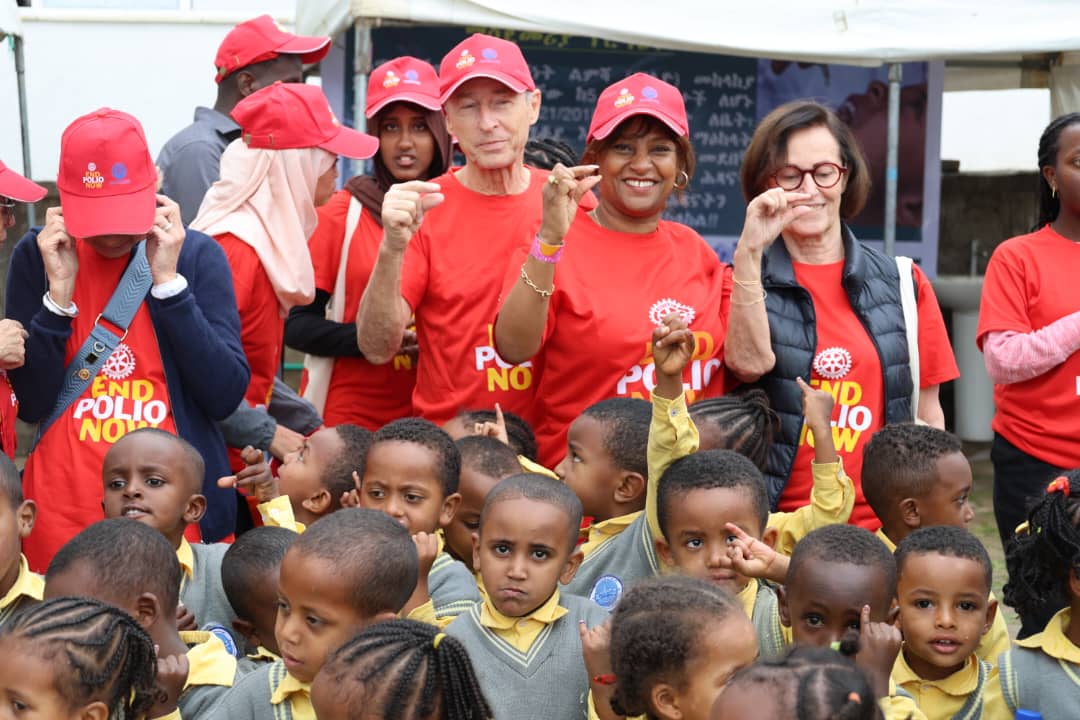
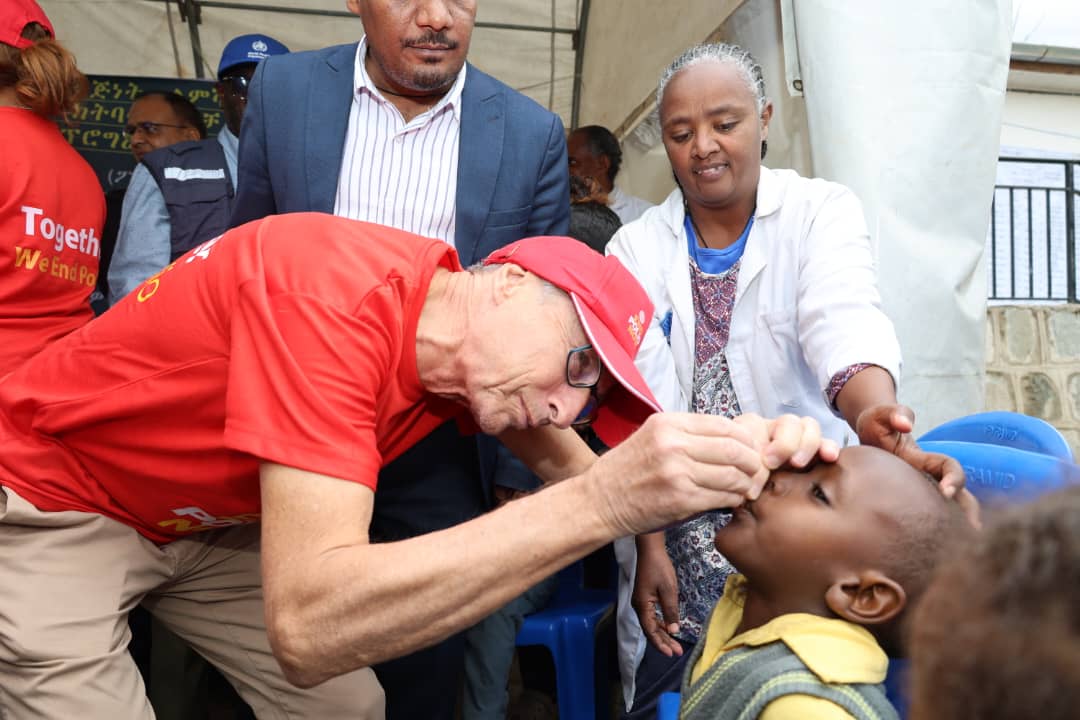
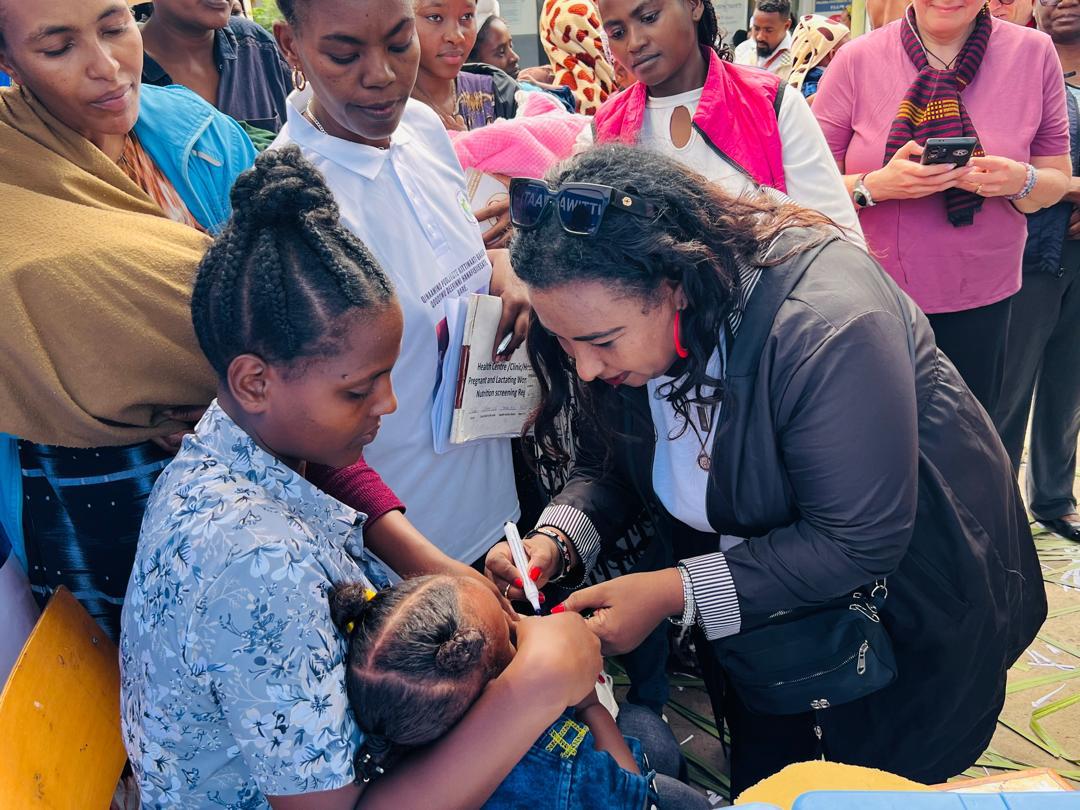
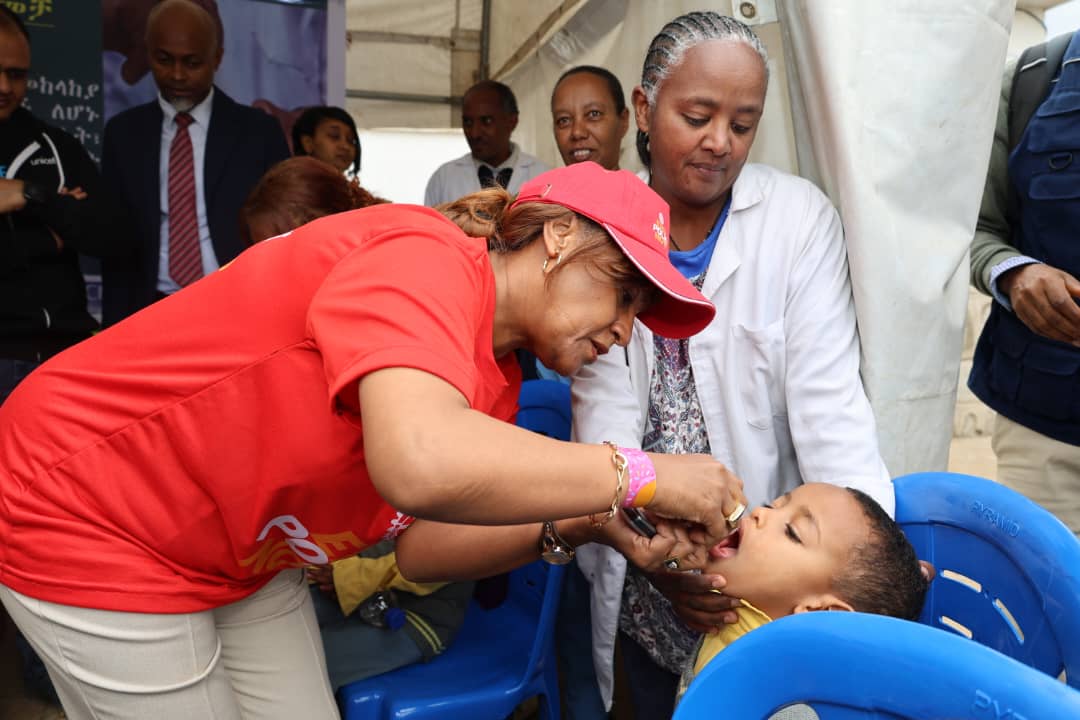
Ethiopia has launched a major nationwide polio vaccination campaign, aiming to protect more than 17 million children under five. Running from March 27 to 30, the campaign spans 118 zones and cities across 11 regions, including high-risk areas, to prevent outbreaks and move the country closer to eradicating polio.

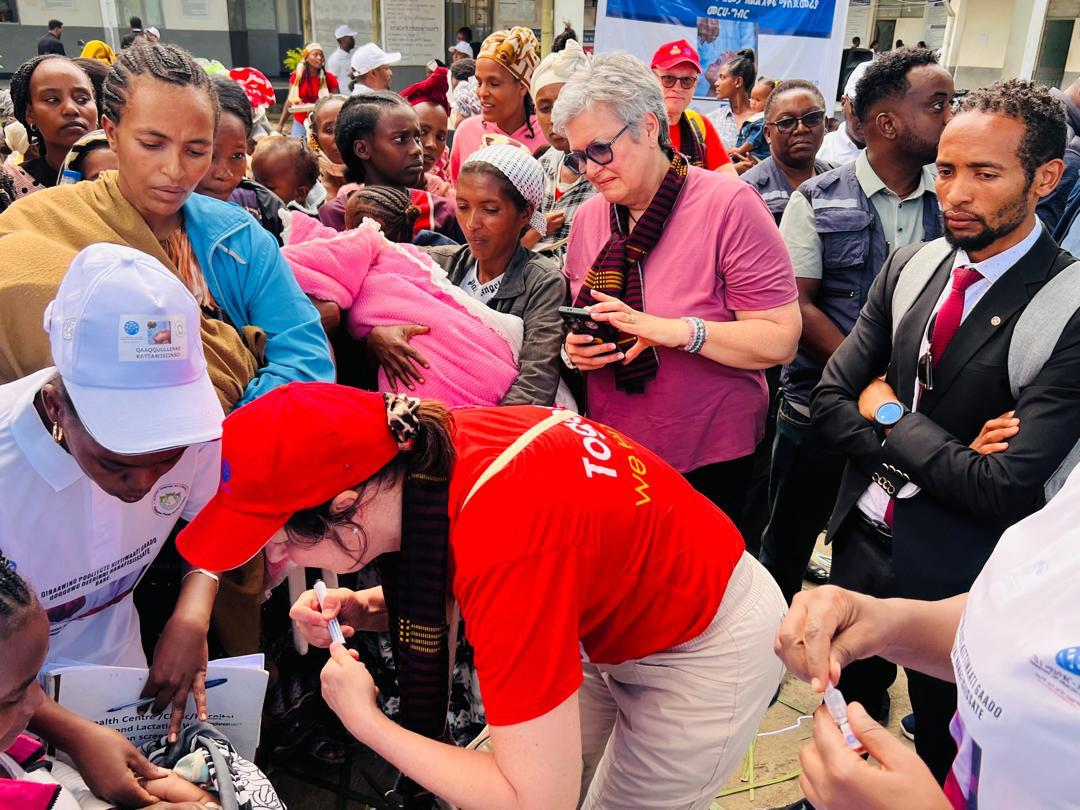
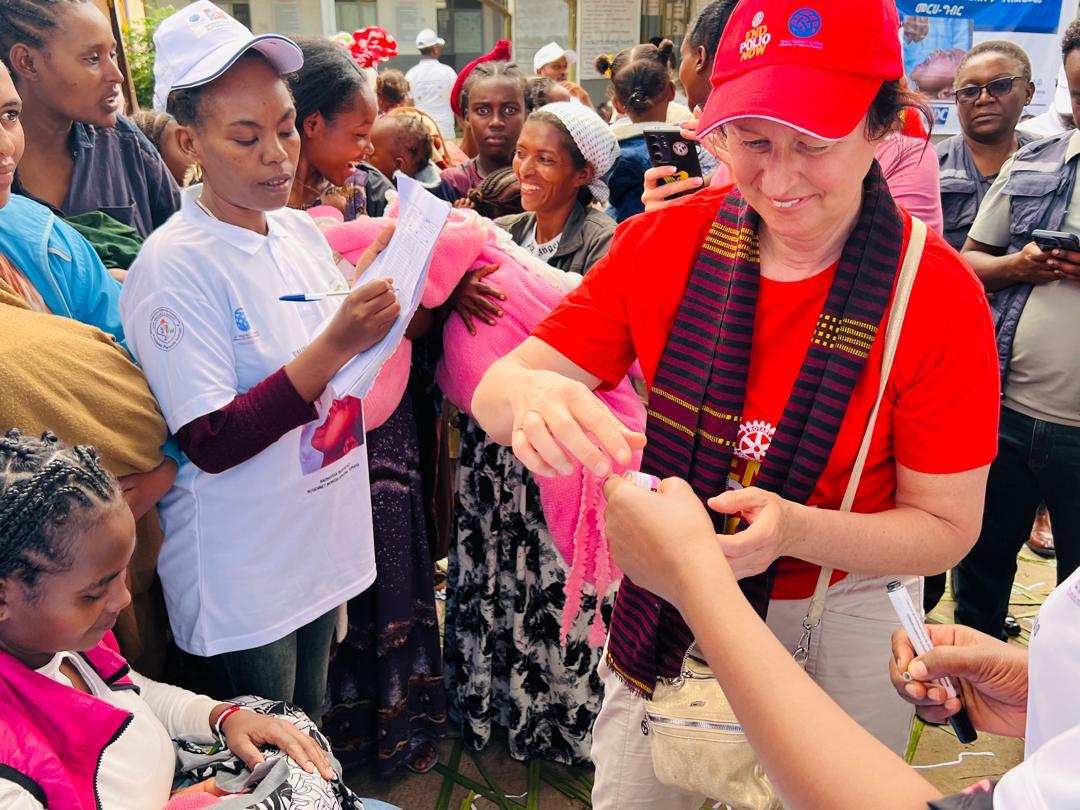
More than 125,000 personnel—including vaccinators and social mobilizers at national and woreda levels—are engaged in this intensive door-to-door effort.

Rotary International has been a key partner in Ethiopia’s fight against polio, contributing over USD 100 million globally to support eradication efforts. Through advocacy, resource mobilization, and active field engagement, Rotary plays a central role in the Global Polio Eradication Initiative (GPEI), alongside WHO, UNICEF, Gavi, the Gates Foundation, and the CDC.

At the Addis Ababa City Administration level, a focused vaccination effort began on March 27, 2026, targeting more than 830,000 children under five. Dr. Yohannes Chala, Head of the City Administration Health Bureau, noted that 4,850 health professionals have been organized into 967 teams to deliver vaccines efficiently. The campaign aims to reach every child under five, including those who may have missed or discontinued previous immunizations.

Although Ethiopia has been free of poliovirus since 2017, the country remains vigilant against potential importation from neighboring nations. This campaign forms part of a broader global push to achieve a polio-free world by 2027. Thanks to the combined efforts of GPEI partners, the virus has been reduced to just 0.1 percent in affected regions.

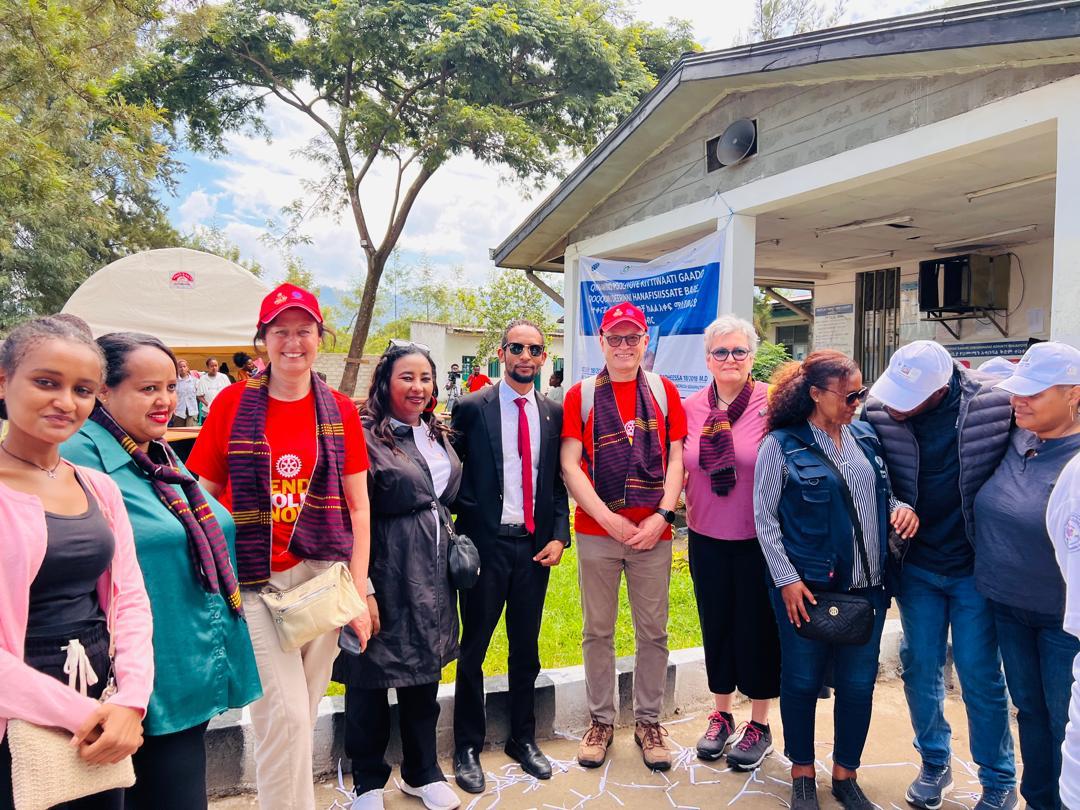
This week, a delegation of nine Polio+ Rotarians from France and Belgium joined local Rotarians and health workers to support the campaign in Addis Ababa, Sheger City, Adama, and Hawassa. Organized by PDG Alain Bouvard of the Rotary Club of Bourg-en-Bresse Brou (District 1710) and led by Rotarian Jean Piron, the delegation is working alongside local teams to administer vaccines, raise community awareness, and mobilize international support.

“This visit strengthens international collaboration and highlights Rotary’s ongoing commitment to eradicating polio,” said Rotarian Piron. Similar delegations from the district have previously visited Pakistan and Côte d’Ivoire; this year, their itinerary includes Cameroon and Ethiopia.

According to WHO, repeated high-quality vaccination campaigns have led to a dramatic reduction in poliovirus detections. In recent months, Ethiopia has recorded a sharp decline—from 79 cases in the previous 12 months to just eight in the past year, with the most recent case reported in October 2025. This progress reflects strong national commitment and deserves recognition.

However, poliovirus transmission persists in neighboring countries, including Djibouti, South Sudan, Sudan, Kenya, and Somalia. Given Ethiopia’s porous borders, continued vigilance remains essential—through sustained immunization efforts, strengthened cross-border collaboration, and a highly sensitive surveillance system to detect and respond to any new cases.

With strong government leadership, active community participation, and support from global partners like Rotary, Ethiopia is on track to make polio a disease of the past, safeguarding millions of children across the nation.

Ethiopia Issues International Investment Call to Address $2 Billion Annual Logistics Challenge

0

In a strategic move to enhance its influence on the continent, Ethiopia has launched an extensive international call for investment aimed at closing infrastructure gaps and modernizing its industrial sector. State Minister of Urban and Infrastructure Development, Yetimegeta Asrat, articulated a vision for Ethiopia to become the “beacon of African prosperity.”

While commending the country’s impressive progress in infrastructure development—particularly the road network, which has expanded sevenfold since 1997 to 182,000 kilometers—Yetimegeta acknowledged significant challenges ahead. Foremost among these is the $2 billion lost each year due to logistics inefficiencies, which he emphasized must be tackled through collaborative international investment and innovation.

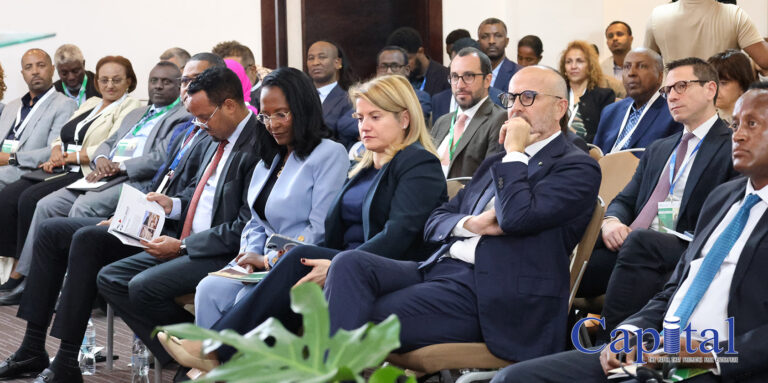
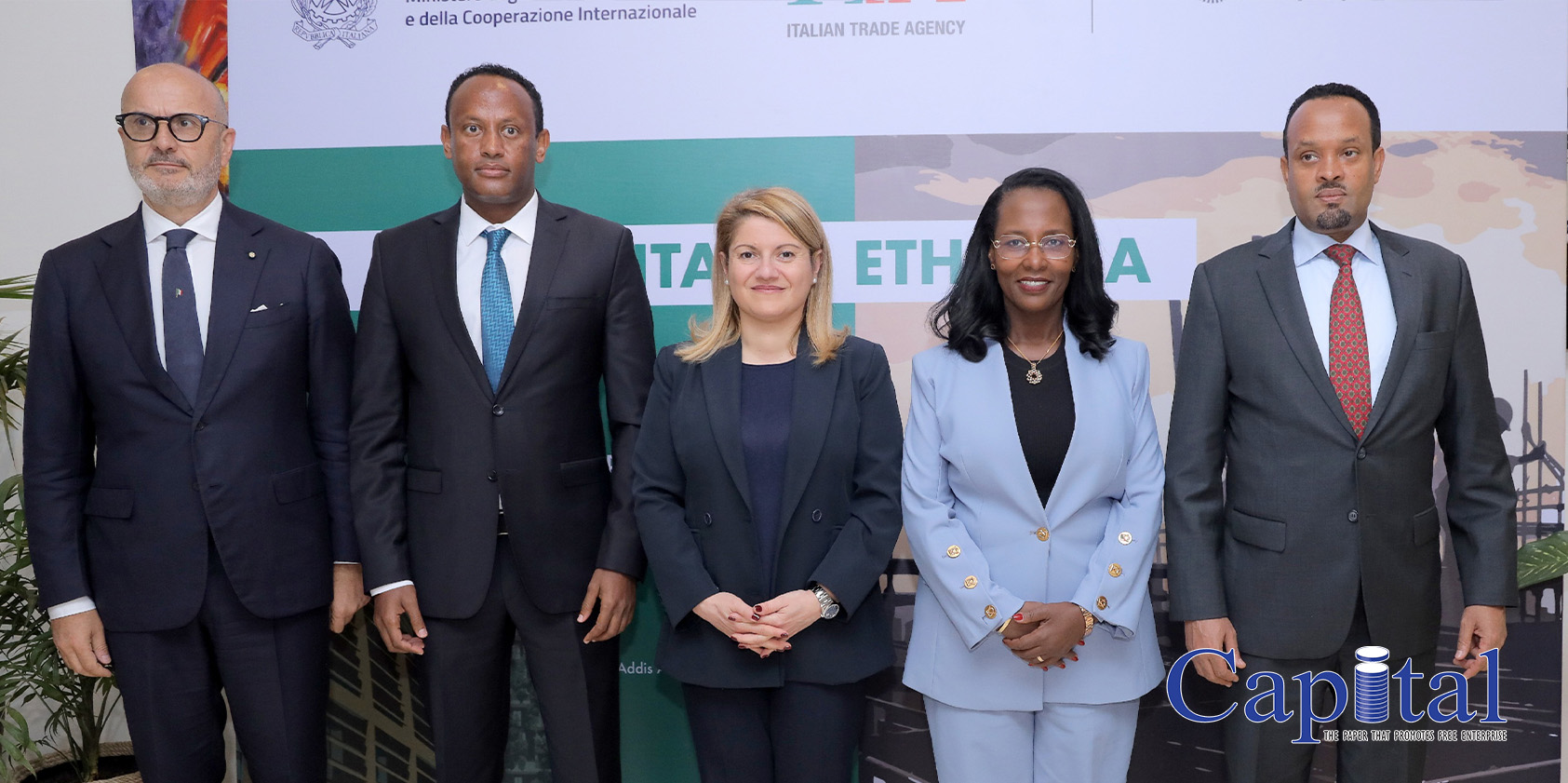
This initiative represents a notable shift in Ethiopia’s economic strategy, as the government transitions from a “build and neglect” approach to one that prioritizes asset management and professional excellence through the Construction Industry Transformation Initiative. This was highlighted during the first Ethio-Italian Construction, Infrastructure, and Urban Redevelopment Forum held in Ethiopia.

The success of this vision will not solely depend on the quantity of asphalt and concrete laid, but on the effective integration of assets within functional and climate-resilient systems. The industrial sector is projected to grow by 8% annually through 2030. At the same forum, Maria Tripodi, Italy’s Deputy Minister of Foreign Affairs and International Cooperation (MAECI), referred to Ethiopia as the “beating heart” and a key hub for East African development.

The Ethiopian government’s ongoing commitment to bold structural reforms and its efforts to join the World Trade Organization (WTO) have positioned the country as an attractive partner for the Italian manufacturing sector. This partnership is founded on key pillars, including substantial financial support, with Italy allocating €90 million through SIMEST’s “Africa Measure” to foster innovation and training initiatives in Ethiopia.

Strategically, the collaboration emphasizes infrastructure and logistics, targeting major projects such as airport expansions and the crucial Addis Ababa-Djibouti logistics corridor. Additionally, in urban development, Italian companies are poised to deliver modern social housing and waste management solutions to help Addis Ababa cope with its burgeoning population.

Energy security remains a critical focus; leveraging Ethiopia’s leadership in renewable energy, Italian experts are set to assist in enhancing network infrastructure and energy storage systems. Maria Tripodi stressed that this “growth diplomacy” seeks to convert political agreements into concrete market opportunities, asserting that “partnering with Italy means choosing a technological ally that transforms grand projects into enduring symbols of civilization.”

Ethiopia’s external debt rises by nearly $5bn since reforms

0

8.4% of debt now in arrears

Since the launch of economic reforms approximately 18 months ago, Ethiopia’s debt has surged by nearly five billion dollars, with 8.4 percent of its total external debt now in arrears.

According to the latest debt analysis from the Ministry of Finance, the country’s outstanding debt reached 34.4 billion dollars as of December 31, 2025, up from 29.7 billion dollars at the beginning of the macroeconomic reforms initiated on July 29, 2024.

The report also indicated that external credit climbed to 4.76 billion dollars, reflecting a 16 percent increase compared to the amount when the reforms began in July 2024.

Currently, the government is in negotiations for debt restructuring under the OCC and enhanced HIPC frameworks. However, these discussions have been paused due to a default on euro bond repayments, which has resulted in arrears.

According to the Ministry of Finance, so far, 2.89 billion dollars—8.4 percent of the debt outstanding—has missed payment deadlines.

Despite being in debt restructuring negotiations, Ethiopia paid over half a billion dollars to creditors in the first half of the 2025/26 budget year.

The Ministry of Finance’s publicly available debt analysis, the first since the 2024/25 budget year’s first quarter review, noted that between July 1, 2025, and December 31, 2025, the total cost of servicing external public sector debt—including principal, interest, and fees—was 554.62 million dollars.

The analysis not only delays the publication of public debt figures but also omits key comparisons and data common in similar reports from previous periods.

It reported that the total external debt service paid by the central government was 311.41 million dollars (of which 230.26 million dollars was principal and 81.15 million dollars was interest), while state-owned enterprises, primarily Ethiopian Airlines, paid 243.21 million dollars.

Since 2017, Ethiopia has been classified as a debt-distressed nation.

Under the G20 common framework, the country has been engaged in debt restructuring negotiations with major official creditors since 2021, although a final bilateral agreement has yet to be reached.

Beginning with the 2024/25 budget year, Ethiopia has been implementing macroeconomic reforms supported by international partners providing funds to stabilize the country’s balance of payments.

The Ministry’s report indicated that in the first quarter of the budget year, the total principal payments made to external creditors were less than the total disbursements received from them. This is evidenced by net external debt resource flows (disbursements minus principal payments) of 399.34 million dollars from July 1, 2025, to December 31, 2025. Furthermore, subtracting disbursements from principal and interest payments resulted in a net resource transfer of 276.51 million dollars.

The net resource transfer is positive because the total debt service payment (principal plus interest) is less than the disbursement for the period.

According to the Ministry of Finance report, during the semi-annual period ending December 31, 2025 (from July 1, 2025, to December 31, 2025), the total amount of new loans signed was approximately USD 840.56 million. The central government accounted for 40% of this borrowing, while Ethiopian Airlines accounted for the remaining 60%. These new loans have an average grant element of 23.3% (53.26% for the Central Government and 8.24% for Ethiopian Airlines). Notably, there has been no non-concessional borrowing in the last eight years, except for Ethiopian Airlines.

Ethiopia applied for debt treatment under the G20 Common Framework on February 3, 2021, and an official creditors committee (OCC), co-chaired by China and France, was established on September 16 of the same year.

The OCC includes members from the Paris Club: Austria, Denmark, France, Israel, Italy, Japan, Korea, Sweden, South Africa, and Switzerland. Non-Paris Club members include China, the largest official creditor, as well as India, Kuwait, Saudi Arabia, and Turkey.

Although negotiations are nearing completion with a bilateral agreement, the Ethiopia Official Creditor Committee has agreed to suspend all debt service payments due between January 1, 2023, and December 31, 2024, for further debt restructuring. As a result, there were no payments for eligible debt service during this period.

On March 21, 2025, Ethiopia and the OCC reached an Agreement in Principle (AIP) on the key financial parameters for debt restructuring within the framework of the G20 Common Framework process.

Between July 1, 2025, and December 31, 2025, external public sector debt disbursements totaled USD 831.12 million, with the IMF and the World Bank IDA accounting for the majority of this amount. Most of the financing was directed toward balance of payment support and federal government projects, including aircraft purchases. Aside from Ethiopian Airlines, there were no external debt disbursements for State-Owned Enterprises (SOEs), which have not obtained any new loans in the past eight years.